Dalyanköy: A Cautionary Tale of Coastal Overdevelopment
How Urbanization Transformed a Peaceful Aegean Village
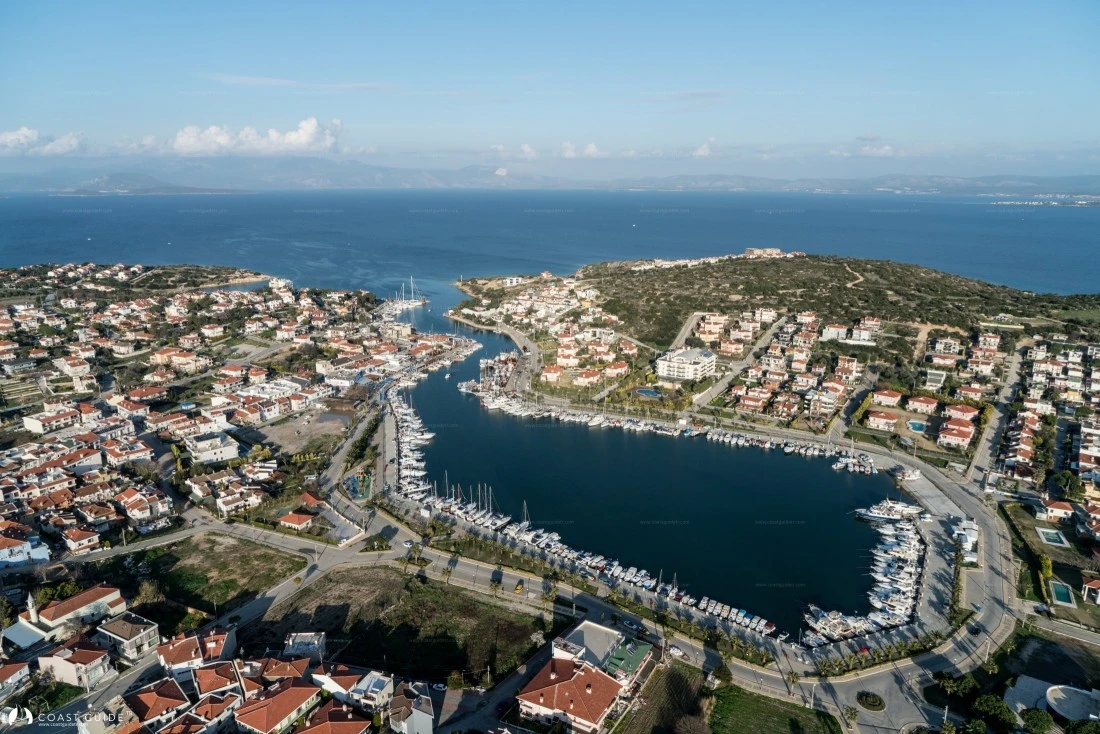
I first got to know Dalyanköy in 1982. A small, quiet Aegean village far from the crowds. Agricultural lands, scattered houses here and there, and its sheltered lagoon. Everything was shaped around the lagoon anyway.
During the years I worked as a manager at Çeşme Altın Yunus Facilities, I had started to look at both the sea and nature differently. I was developing my first insights into sailing and marina management with the late Altuğ Duransoy, a pioneer of marinas.
Back then, we would sail with dragons belonging to our hotel in the magnificent Ildır Bay and go to Dalyanköy. Our sea was always rough.
The lagoon had a narrow entrance, with a structure that began to shallow immediately after the entrance. It was the only address we would go to on our days off to eat fish and unwind.
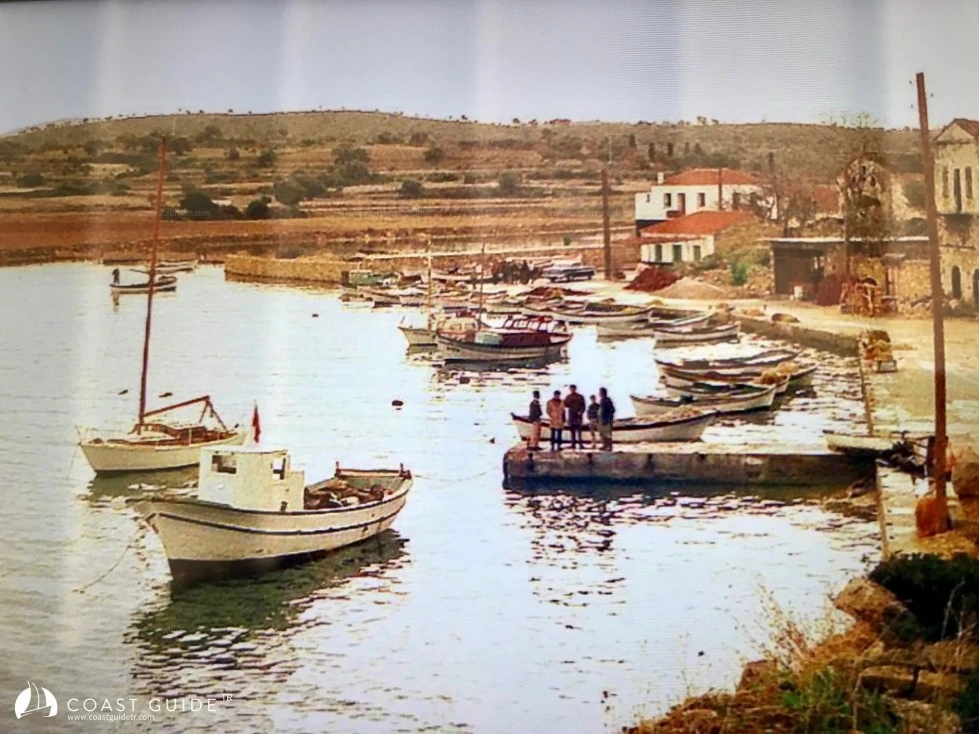
One or two small restaurants, run by families, where brothers and sisters would cook, serve, and wash dishes together.
When Dalyanköy restaurants were mentioned, Red Mullet and Fava would come to mind first.
Since plastic tables hadn't been invented yet, there was nothing to complain about the squeaky conversations on wobbly wooden tables and chairs.
Not facilities covering the entire lagoon from end to end, but a few small charming restaurants.
From time to time, we would go to Aya Yorgi Cove behind Dalyanköy, under the olive trees of the late Uncle Arifp>
We would sit in its three-table restaurant and swim in the magnificent sea we could never get enough of.
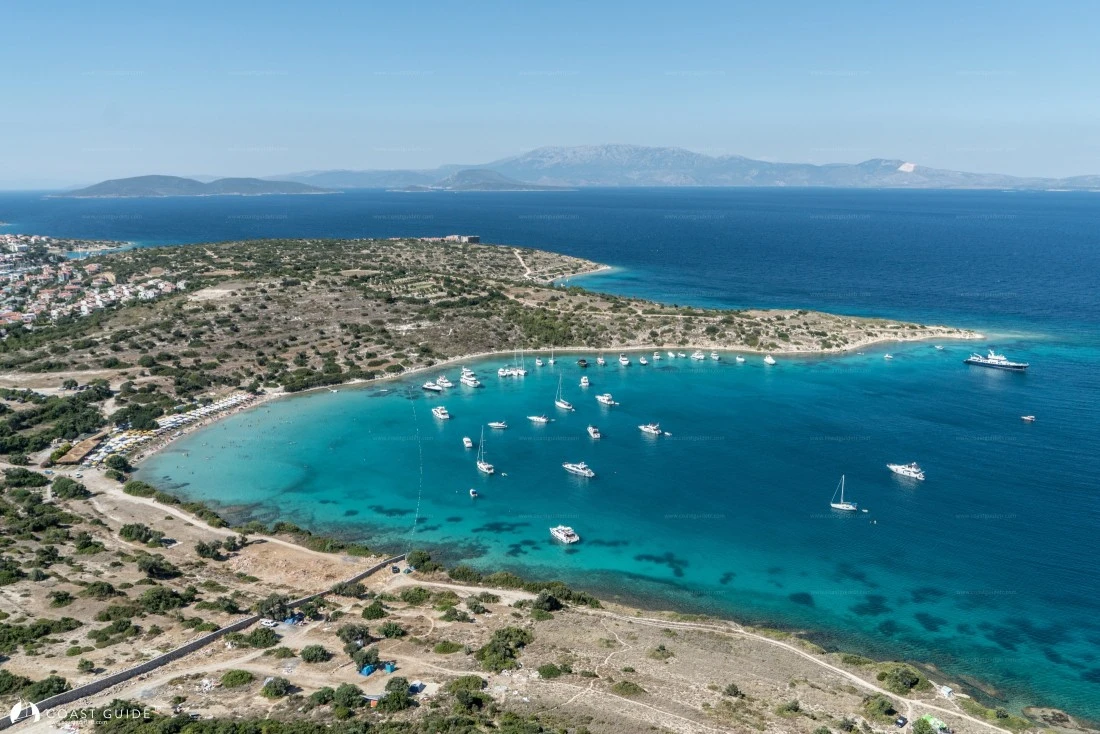
In later years, we would bring tourists to Dalyanköy with evening entertainment tours from the hotel, then make our final stop at Aya Yorgi Bay (our guests at that time consisted of French, British, and German tourists). Wine would be served on the boat with live acoustic music, and when we arrived at Aya Yorgi Bay, silence would reign supreme. We would illuminate the sea and witness our guests swimming.
We would make every effort not to disturb these calm, magnificent places and our surroundings with our noise.
After the September 12 coup, we had brought the wives of the council members to the only restaurant on the hills of Dalyanköy and hosted them there. I believe its name was Küçük Ev.
These were during my days as Activities and Public Relations Manager at the hotel. I would always take the guests of very large meetings held at our hotel to Dalyanköy. That's how the organizations would take place. Figures such as Zia Ul Haq, Joseph Luns, and Casper Weinberger would be captivated by this charming place.
In the following years, like everywhere else, these places became known too, started to get crowded, and began to fill with residences and commercial areas.
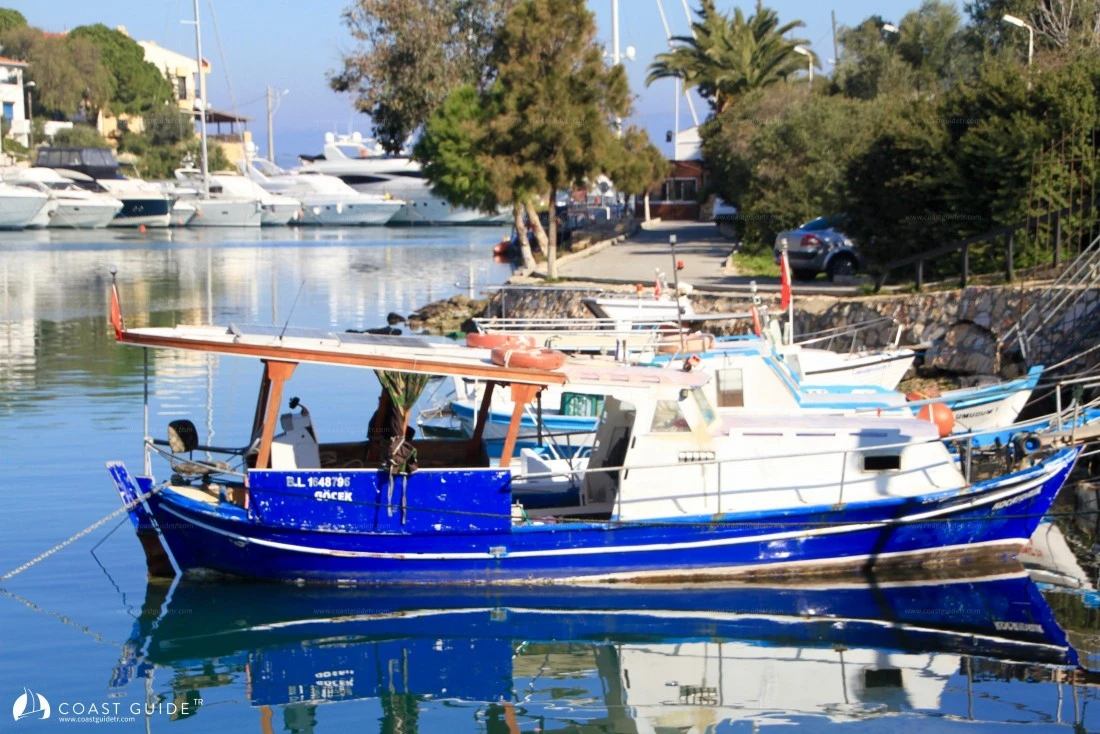
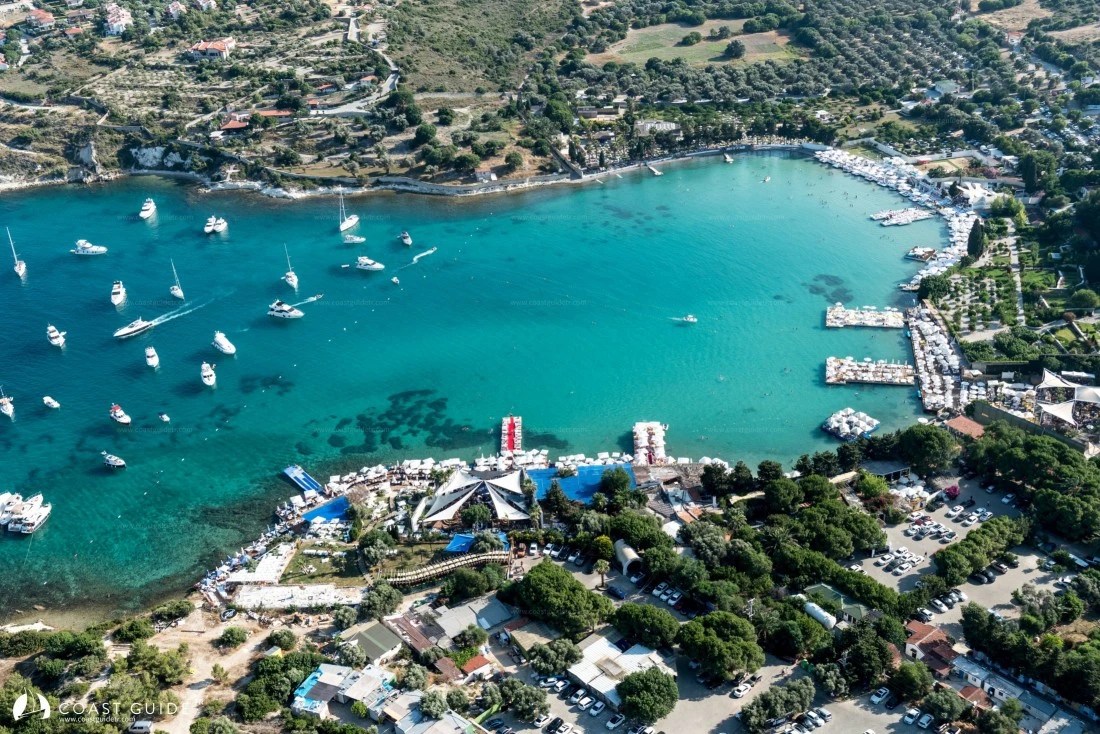
Aya Yorgi, where we once heard nothing but birdsong, has become a place I can hardly recognize with facilities where music blares until dawn, deafening the ears. Hacettepe Cove (Dalyan Cove) right next to it has become the only place for boats to drop anchor and has become very crowded.
Recently, I went there to do this shoot and report. But I won't lie, despite visiting frequently, when I looked at it from a filming perspective, I sadly witnessed that the town had lost its tranquility and charm.
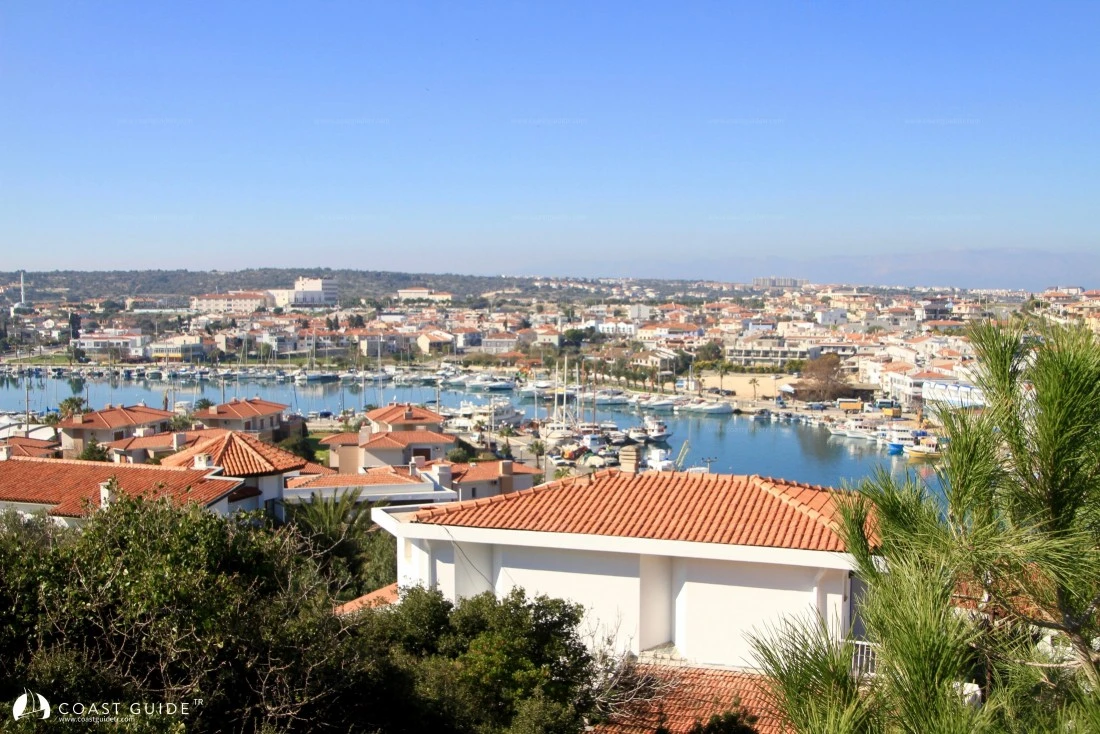
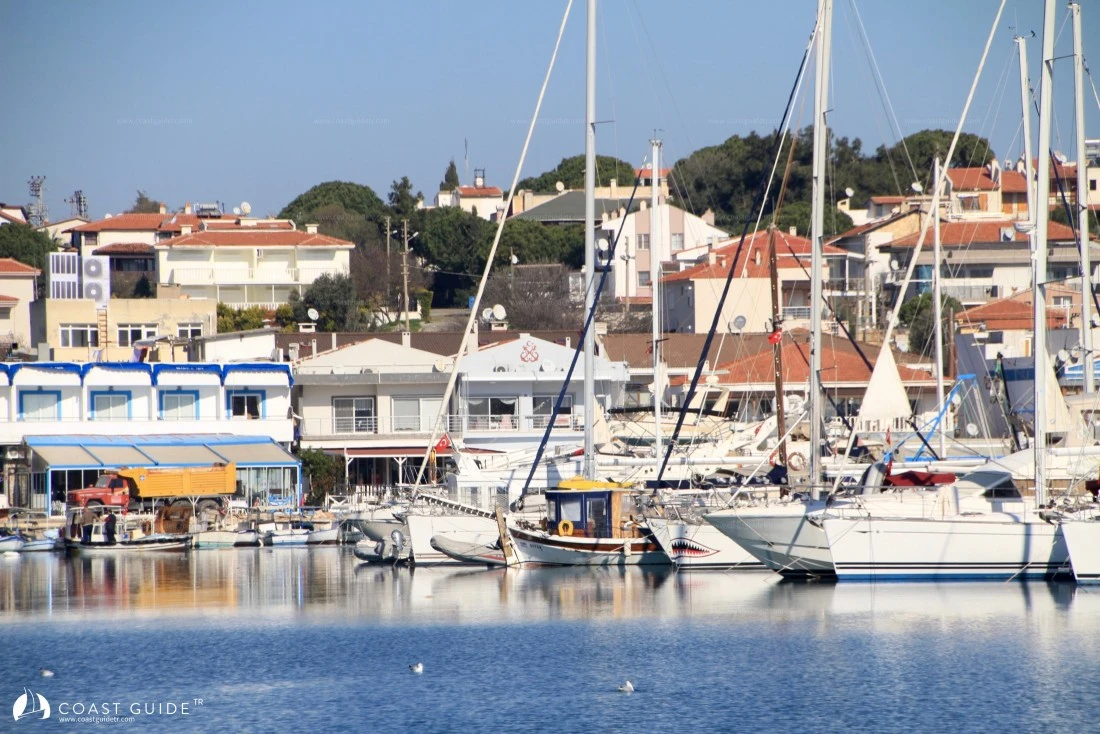
I looked for the historic buildings, but except for one or two ruins, they've disappeared. Houses and villas everywhere.
First, I visited İsmail Nas, who worked as a captain at our hotel for years. He too has kept up with the times, expanding his charming house overlooking the strait with additions on both sides. İsmail's late brother Ali Kaptan also worked with us, and both were captains who knew this region like the back of their hands. (Back then our hotel had 3 tour boats and 5 incentive-scheme sailboats, Comet yachts. So we had at least 3 staff captains, plus a machinist in our engine workshop)
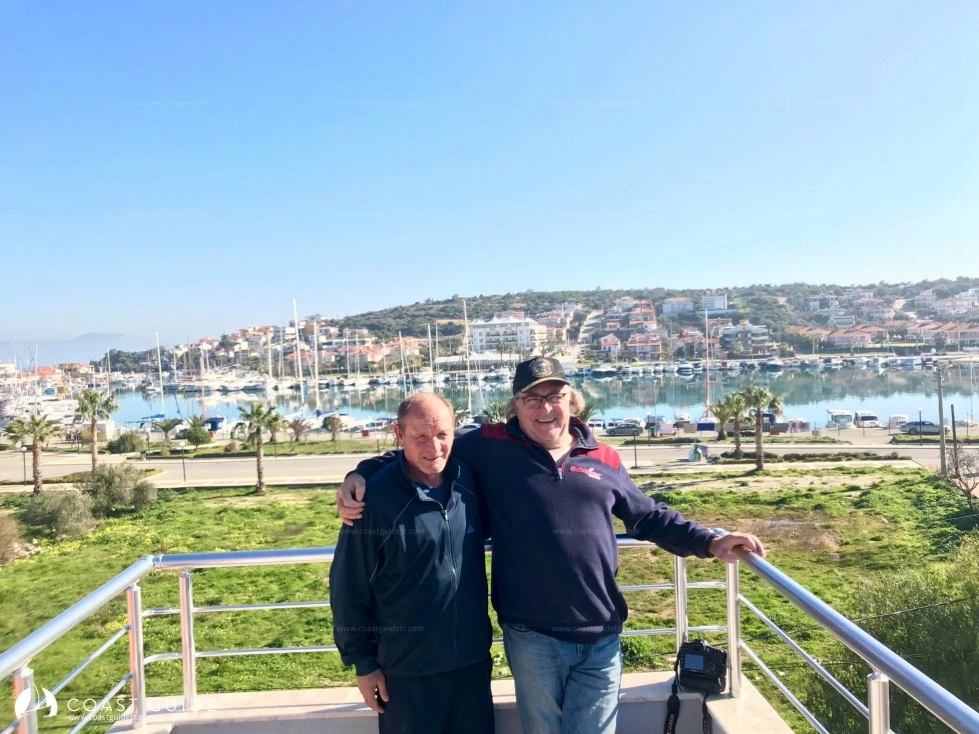
İSMAİL NAS
"I was born and raised here. I worked as a captain at Altın Yunus Holiday Village for 20 years.p>
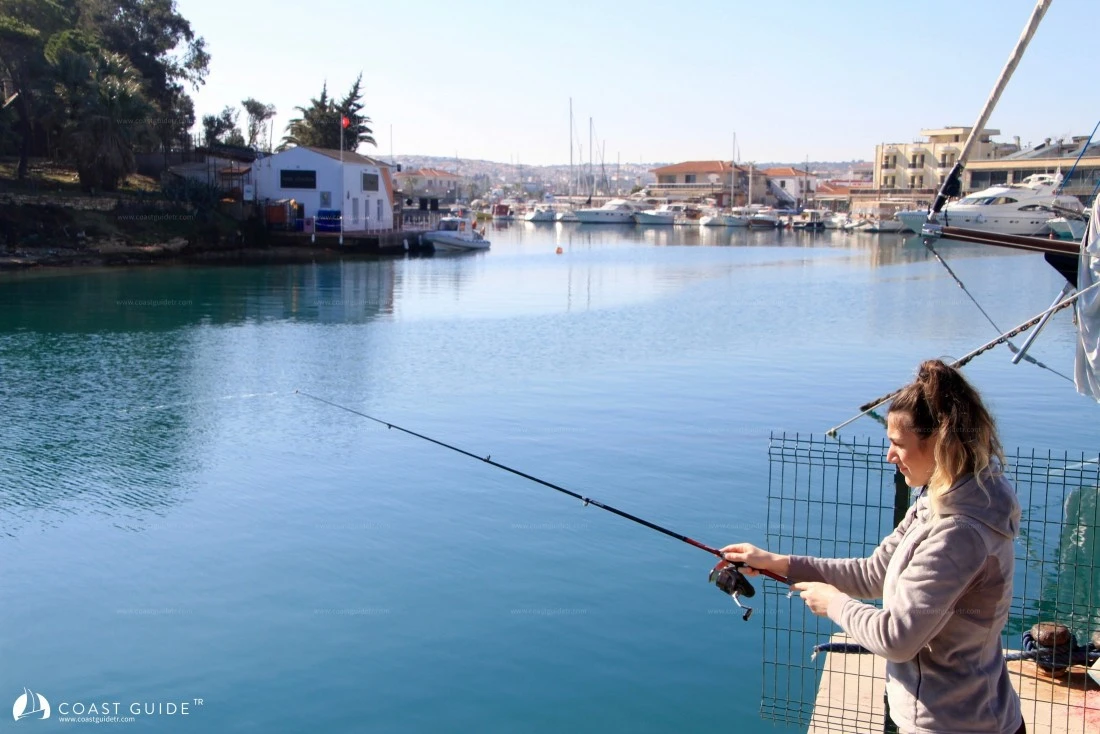
After I retired, I couldn't stay away from the sea. I have a 7-meter wooden boat and I do amateur fishing with it. Besides, you can't be a Dalyankoy resident and stay away from the sea. There are plenty of fish everywhere in this gulf. I don't think there's a sea as beautiful as the one here.
But the region has become very crowded. Both sea and land. Aya Yorgi, one of the most beautiful coves in the world right next to us, boats can't enter anymore, it's closed. Construction and entertainment venues have taken over those quiet coves. Hacettepe Cove behind us has now become the only place left to anchor. Many boats in the gulf anchor here and it gets very crowded during the summer months.
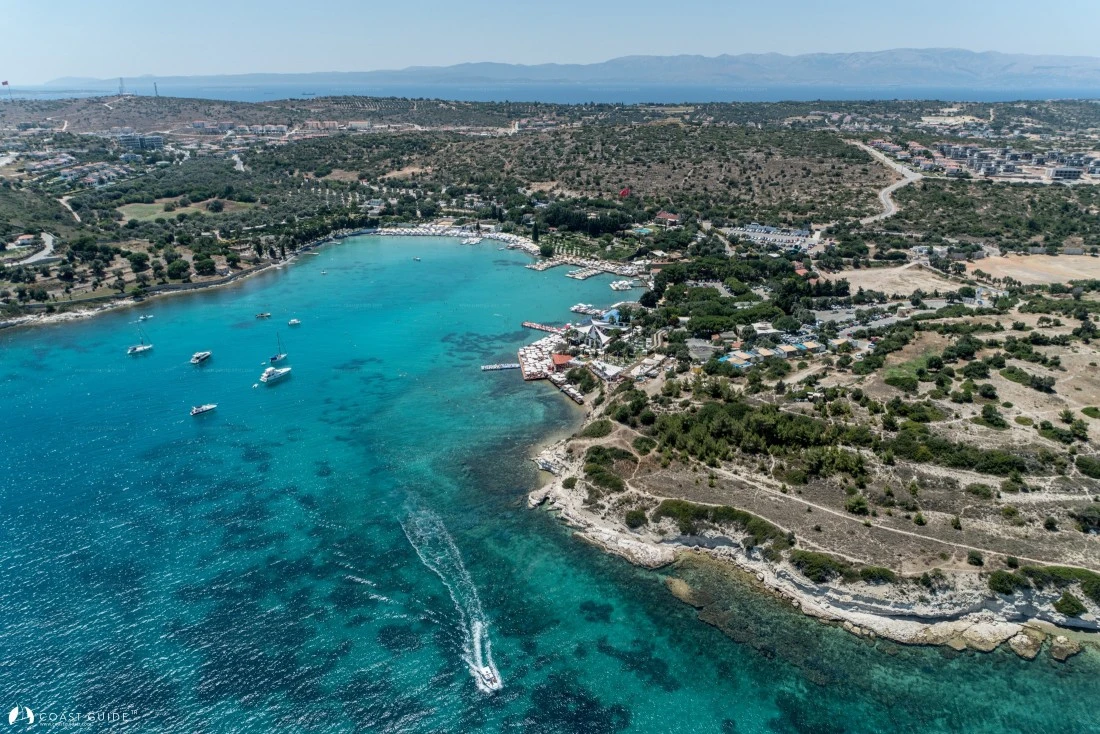
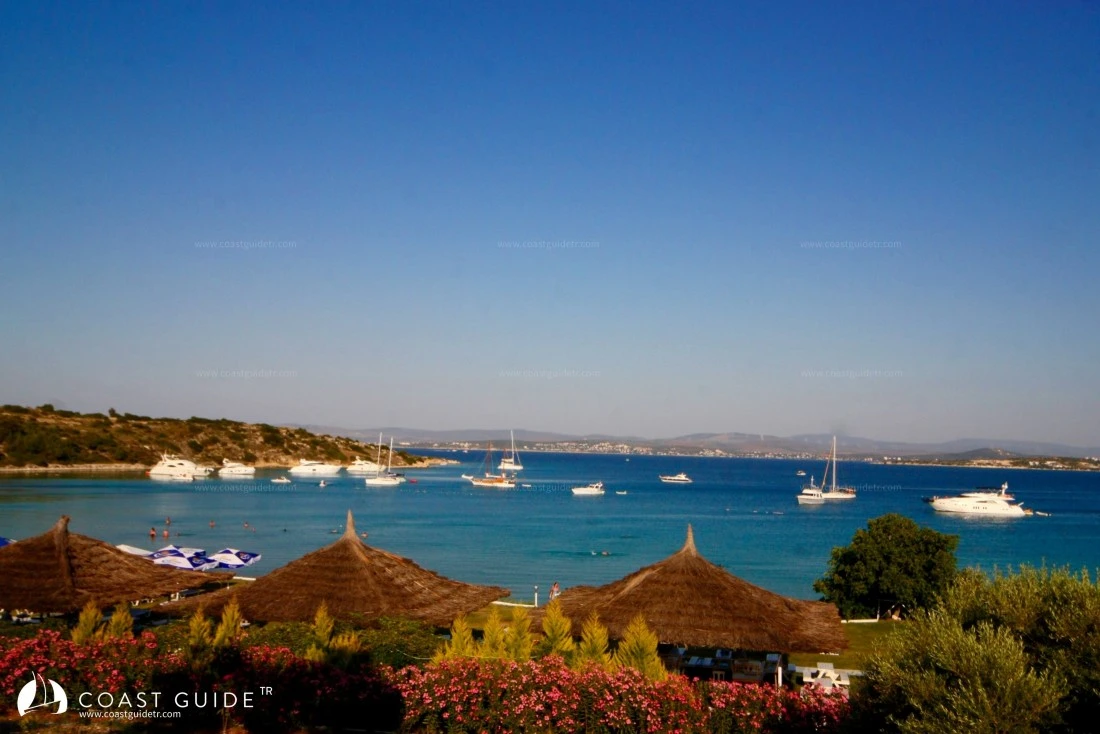
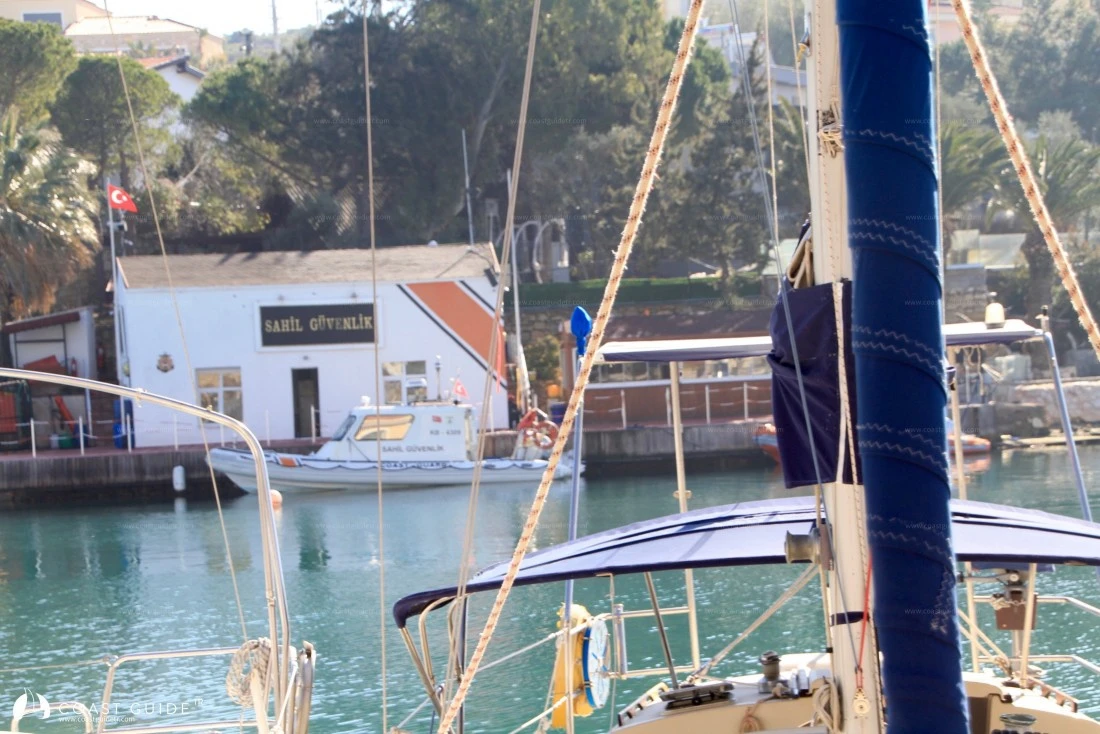
The best feature of this place is that the Coast Guard is active in the region. They conduct constant inspections. There's no dumping dirty water into the sea.
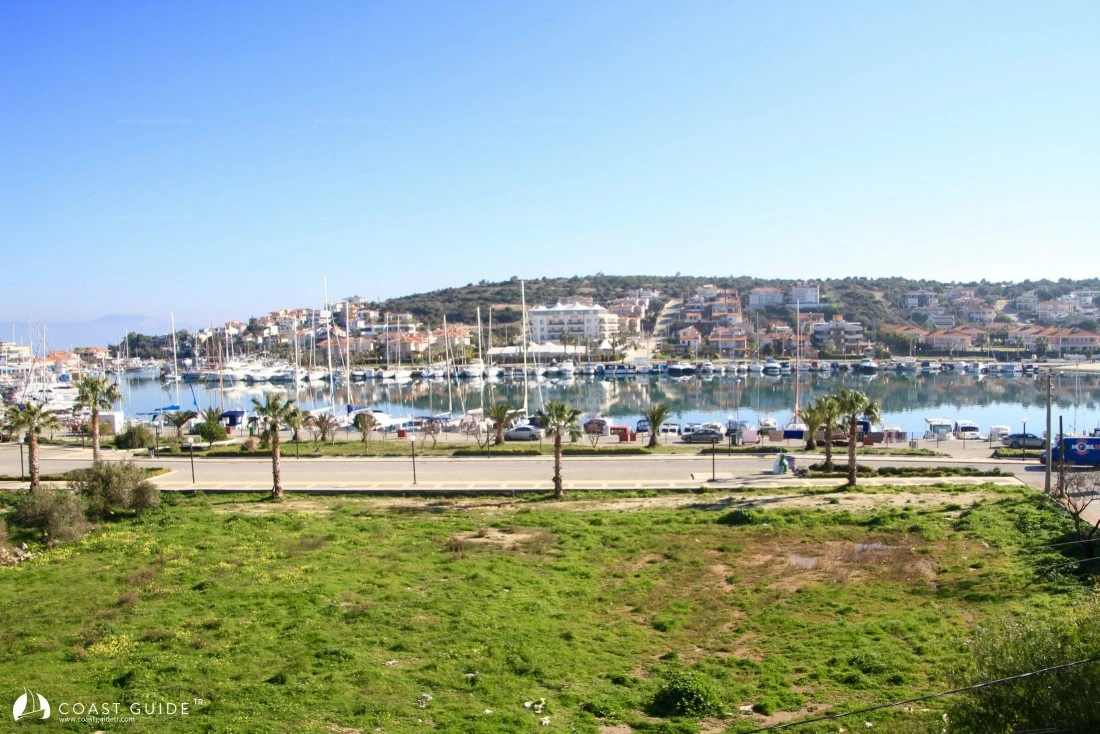
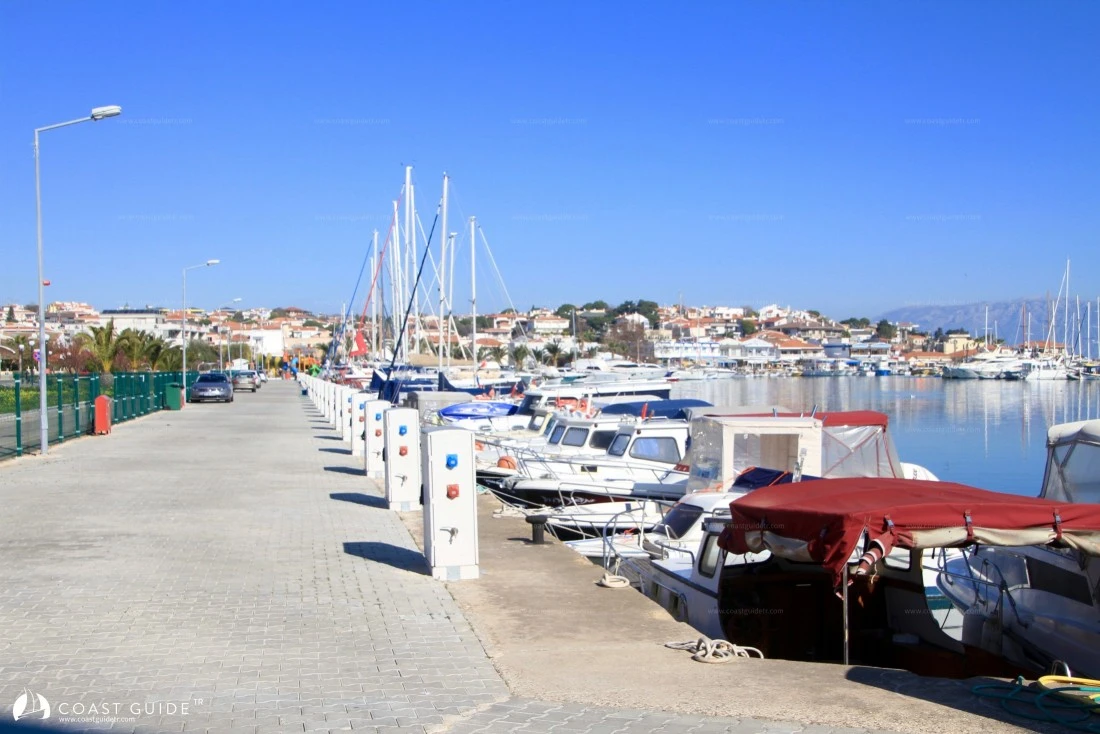
The boat sheltering situation within Dalyan also needs regulation. A haul-out facility was built, prices became expensive, nobody can afford to haul out anymore. The quiet harbor and affordable harbor practices have disappeared. The municipality has given this place to a company that operates it. It's expensive for the public, for the residents.
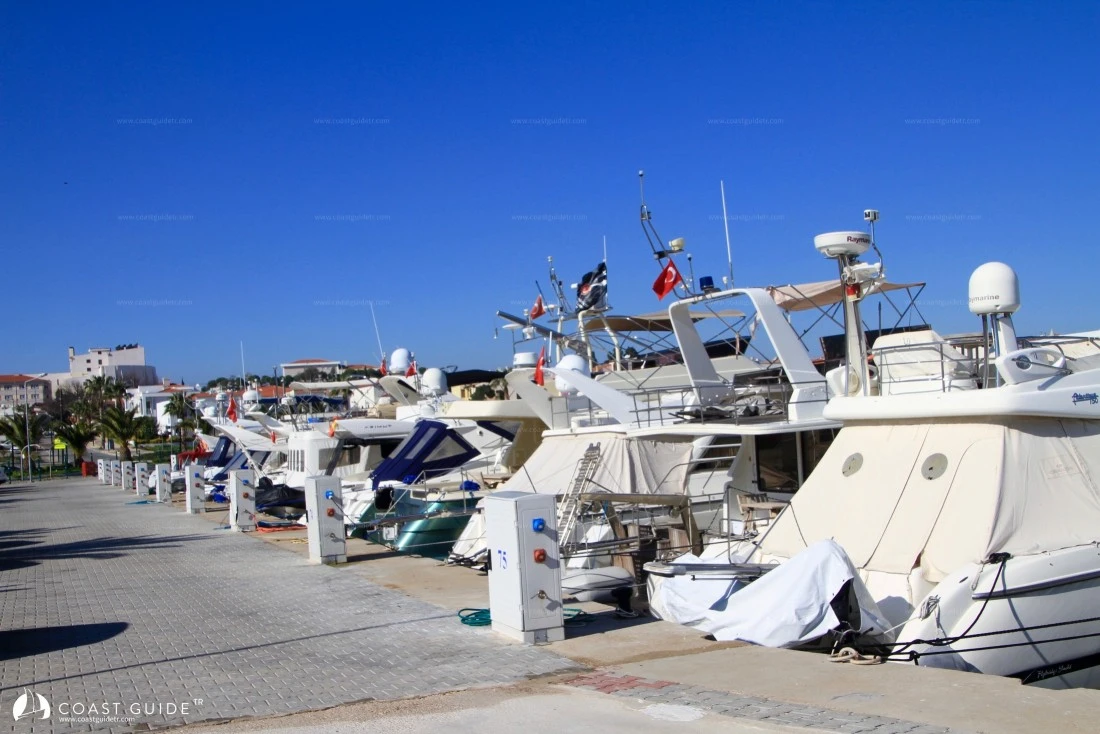
Time has passed, technology has developed, but we locals are definitely not happy about these changes. We miss the old times very, very much. We've ended up in this situation by selling our properties bit by bit. These lands were inherited from Atatürk, unfortunately.
The climate is very pleasant and mild, beautiful both summer and winter. We were born here, and we'll continue here."
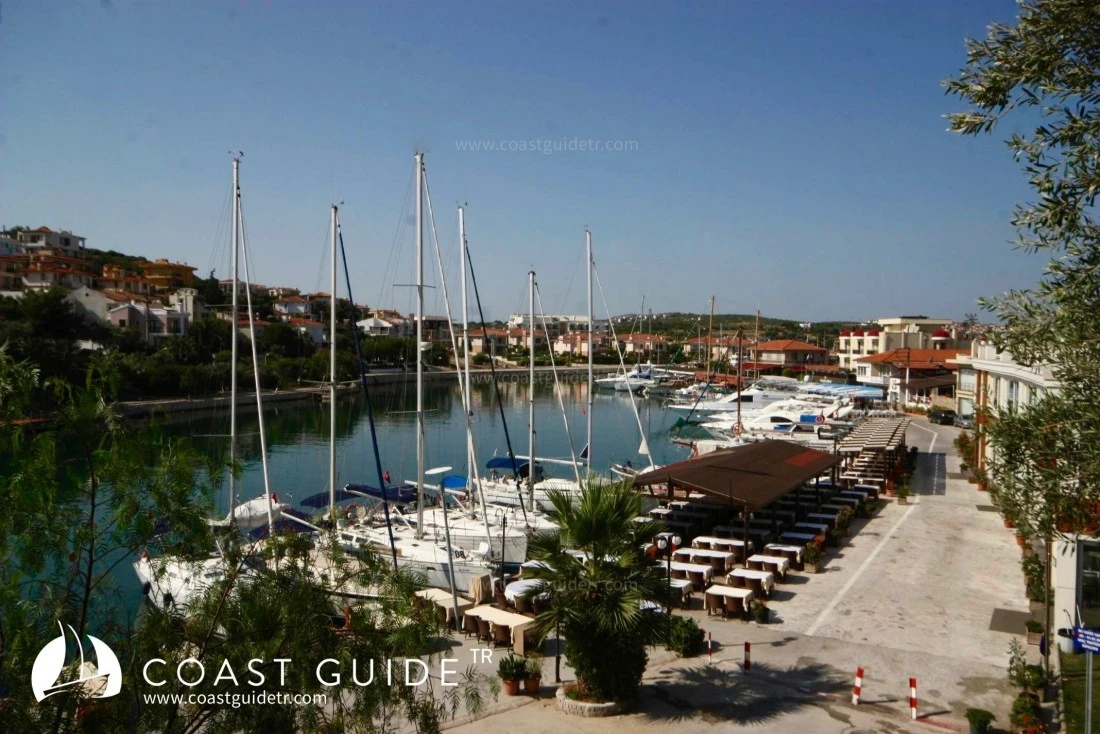
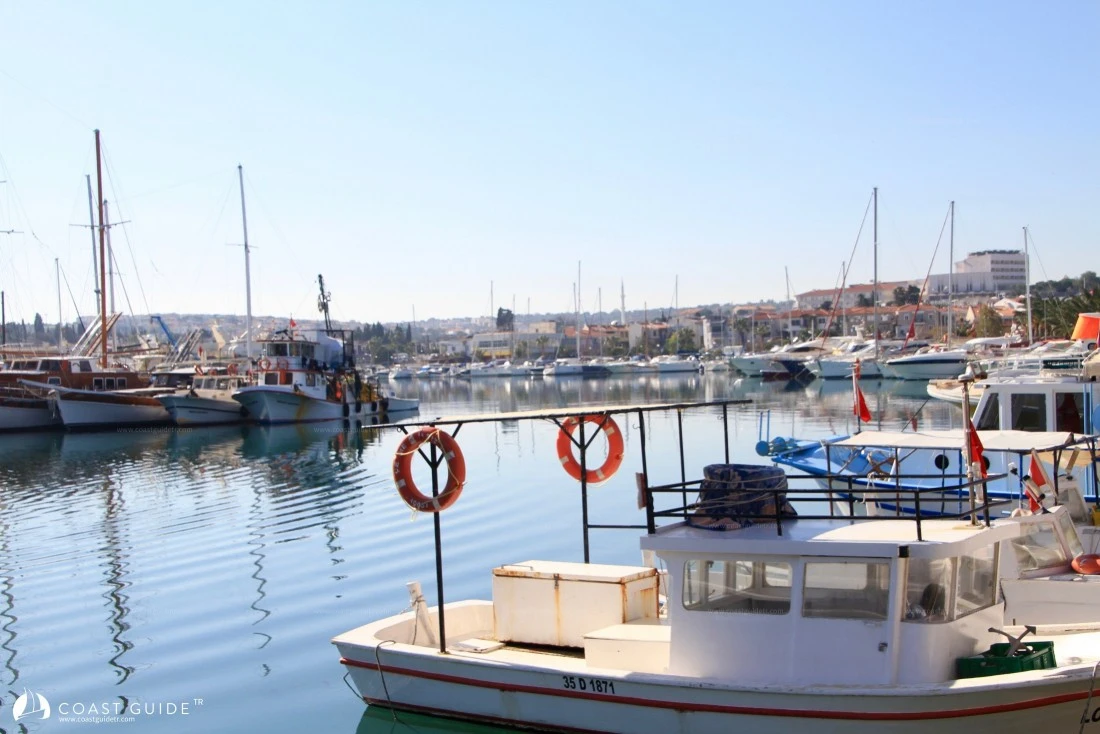
Leaving Captain İsmail, I wander through the narrow streets. Old faces but new buildings. When I come across one or two historic structures, I photograph them and gather information.
The village is an immigrant village. They came many years ago, no electricity, no water, roads were barely passable.
First agriculture, then fishing and trade.
We chat with Fuat Şimşek, one of those who followed this sequence, in front of the old propeller tower.
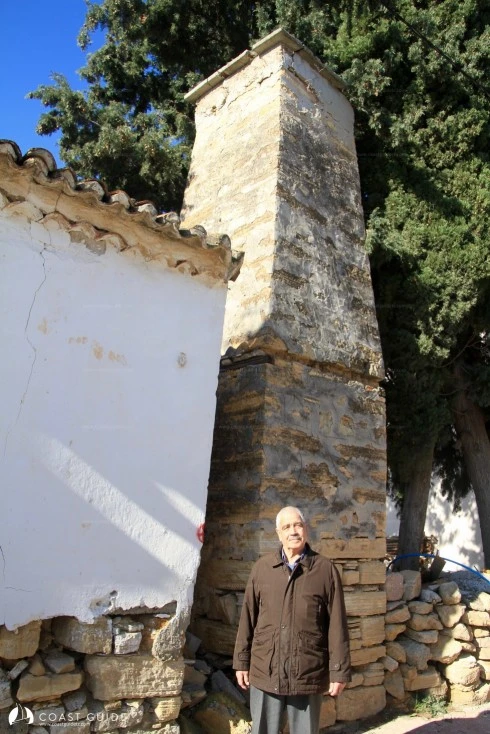
FUAT ŞİMŞEK
"My father and his family came from Thessaloniki years ago and settled here. We are born and bred Dalyankoy natives.
In the old days, these areas were farmland. We used to grow tobacco, fruit, and vegetables. It was a true village. Now there's no chance of seeing farmland or soil.
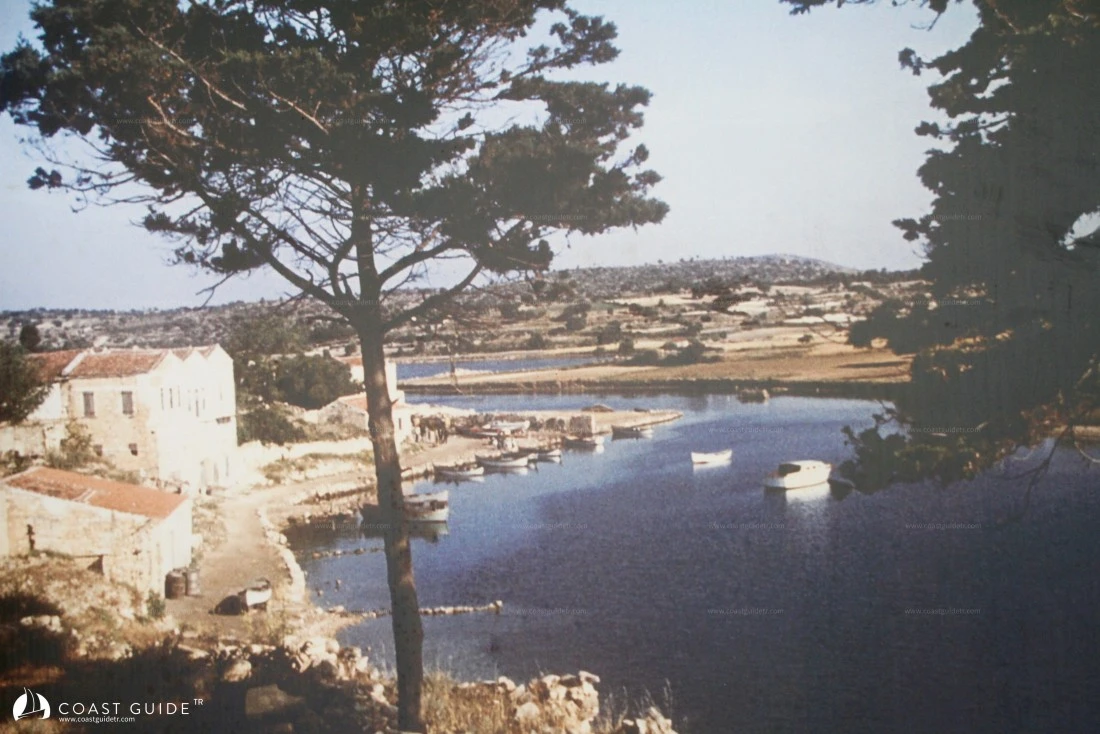
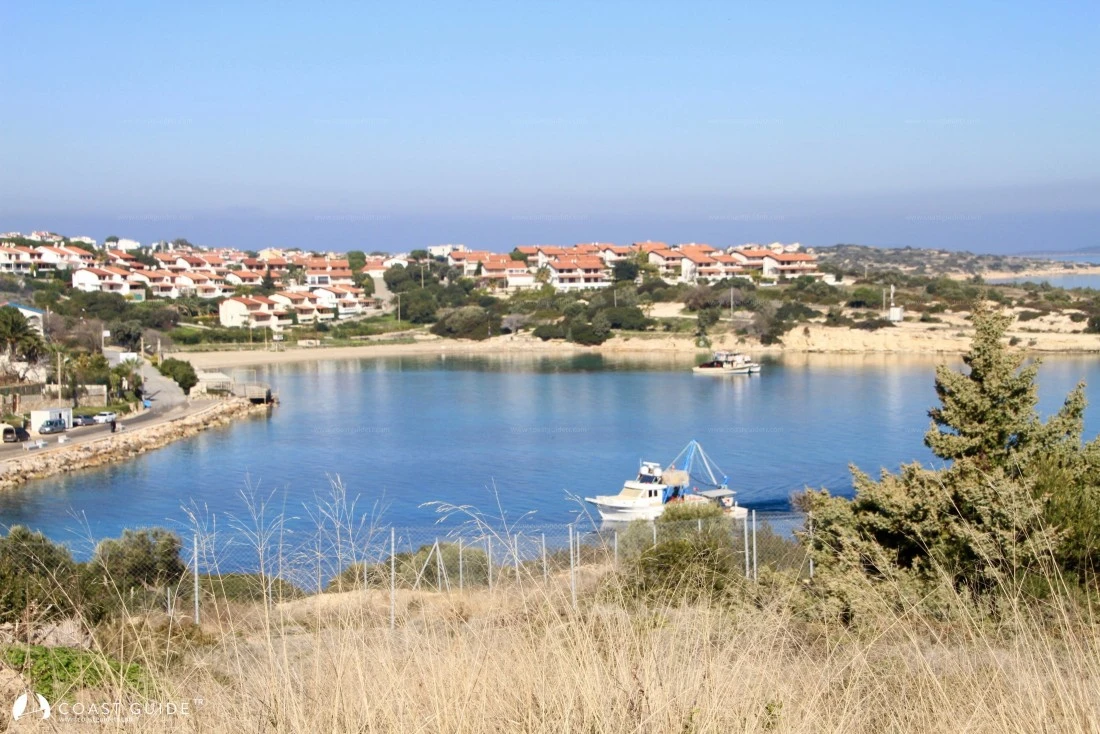
As the farmlands gradually became residential areas, we turned to fishing and continue with it. Later, we got into the retail business. Now, together with my sons, we're maintaining both.p>
This place has completely changed over time. Nothing remains except for one or two old example buildings.
One of them is the propeller tower. In the past, there was no electricity. This tower was built back then by Hüseyin Karayel to charge the batteries of battery-powered radios. The battery would charge as the propeller on top rotated. Our wind here is famous. In the building below this tower, there was the village coffeehouse for years.
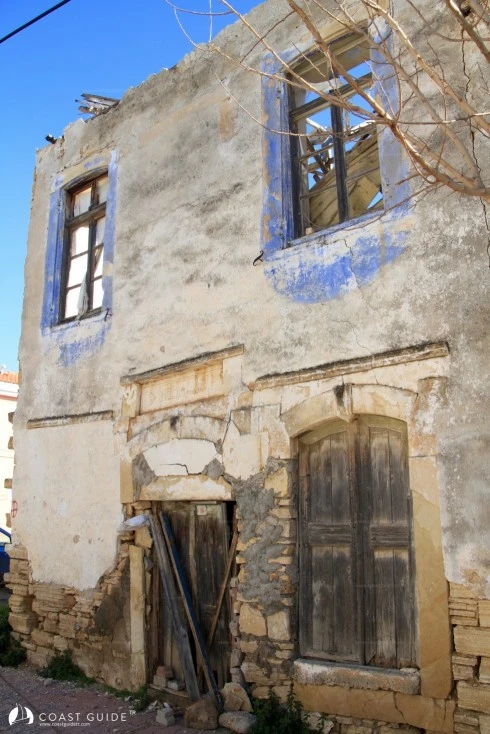
Back then, 700 people lived here and its name was "Köste Köyü" (Köste Village). Later it became Dalyankoy. Most of us are Thessaloniki immigrants. Now everywhere is full.
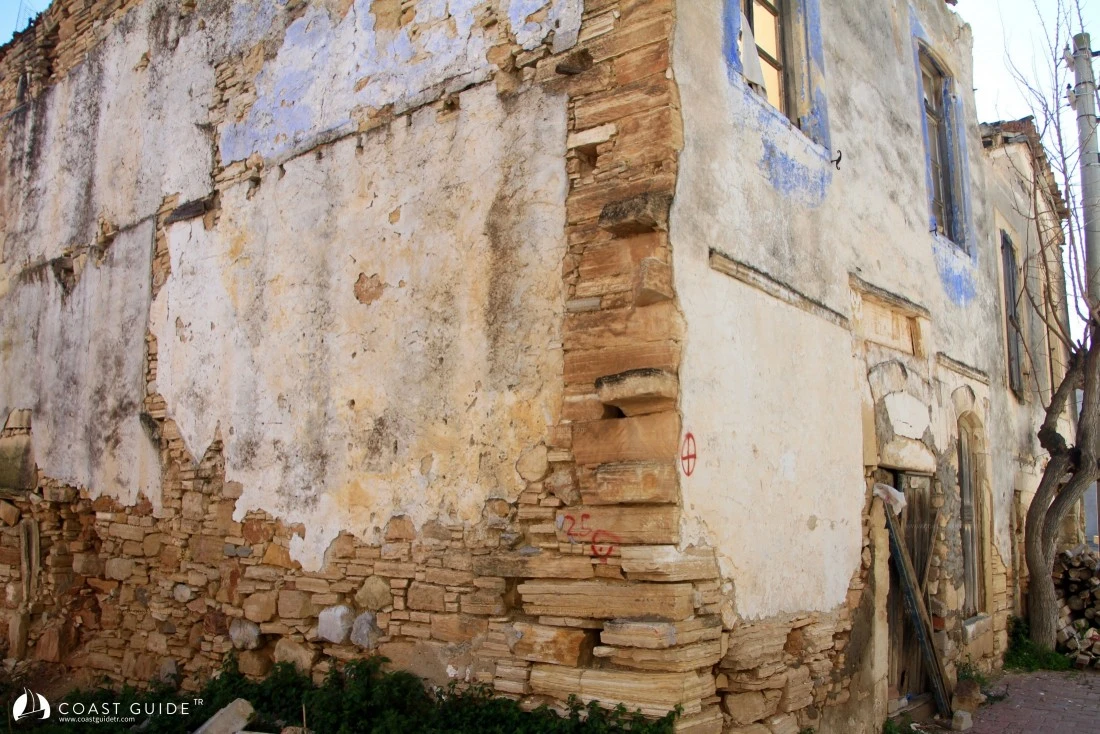
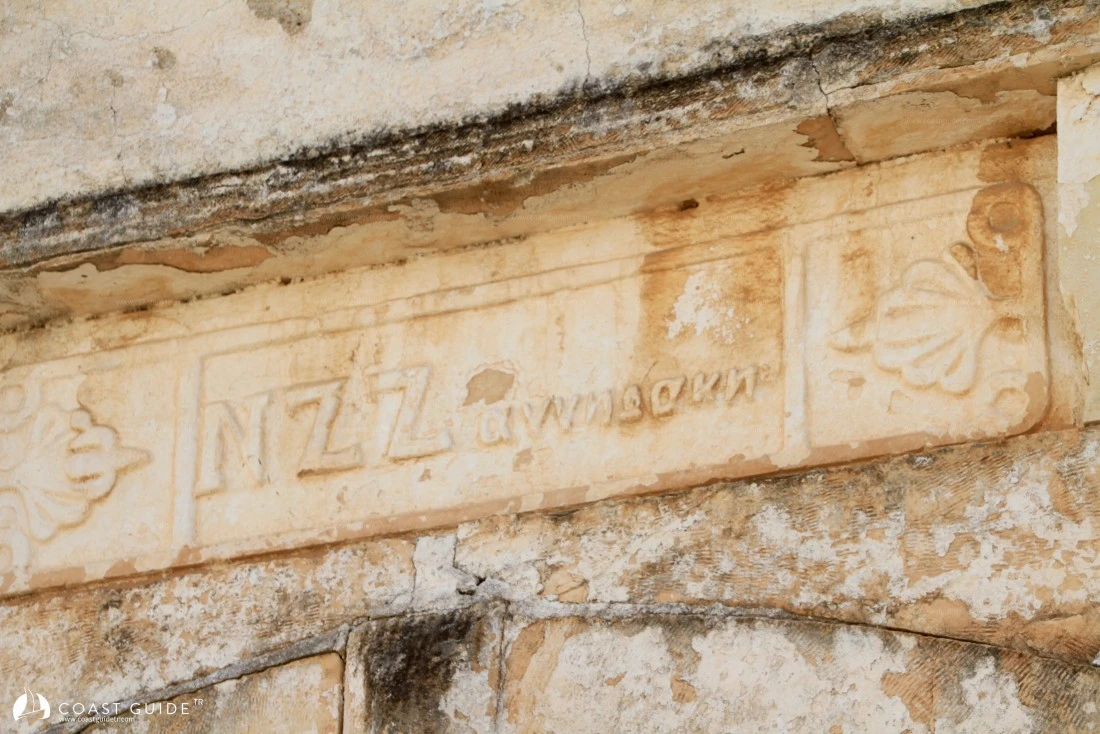
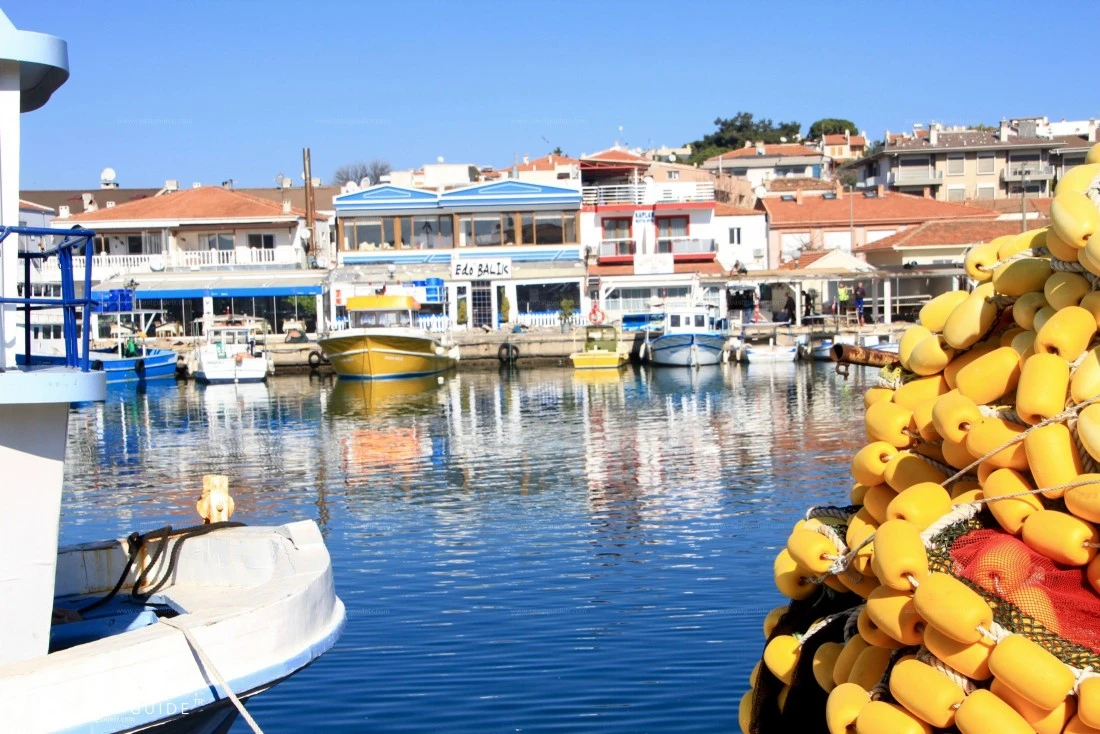
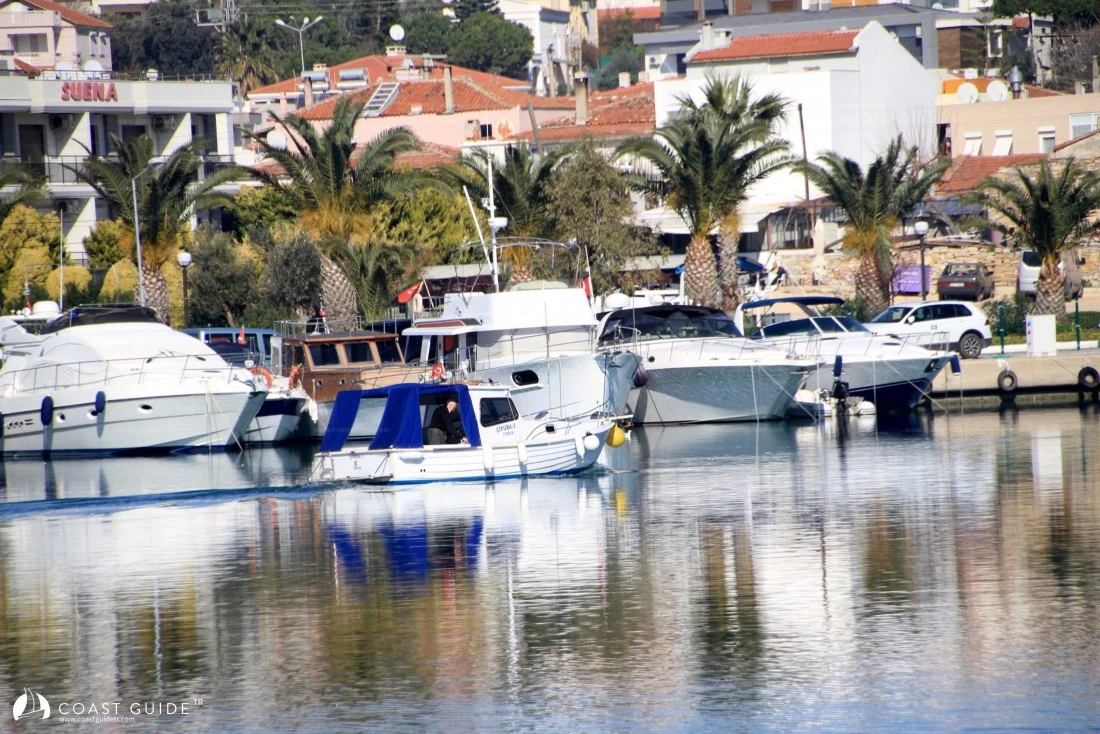
There was naturally a fish weir here. The water was very shallow. Later, this place was deepened and turned into a place where boats could enter and shelter.
Now it has become very crowded and no trace remains of the small village of the past."
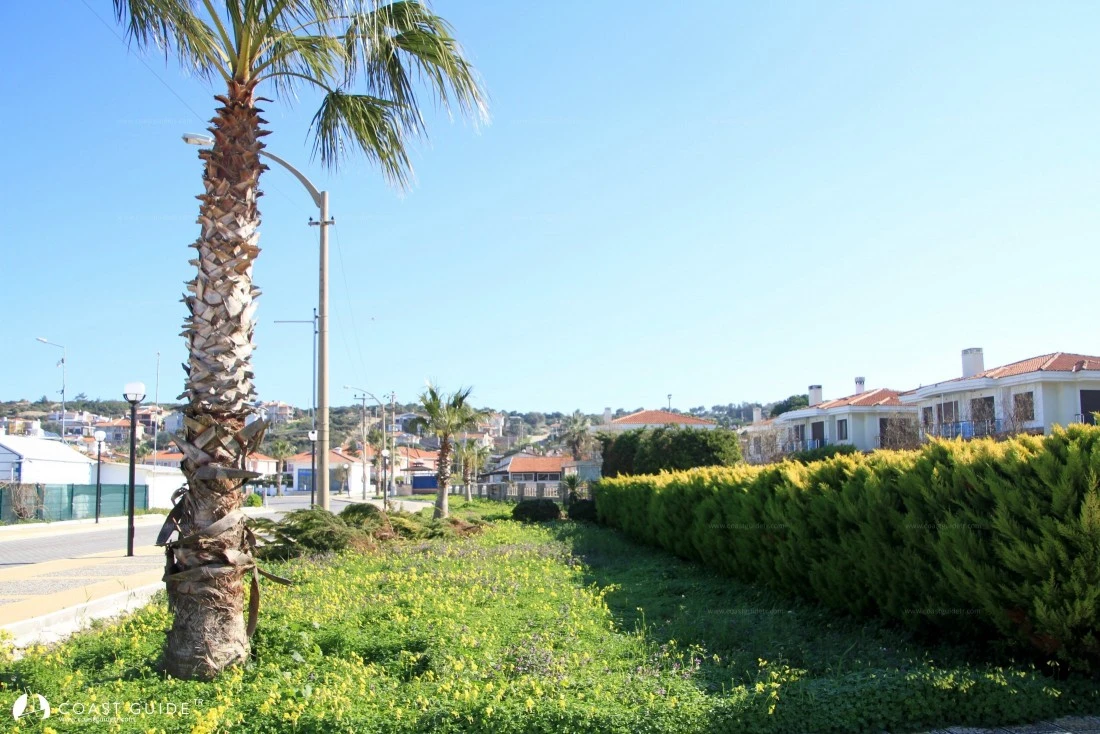
Leaving Fuat Şimşek, I first follow the narrow roads, cross the large Çeşme-Dalyankoy road, and arrive at the Sakızlıkoy area to the north.
A pristine sea, overlooking the open waters and the Çeşme-Chios Strait. A bit further ahead, the most dangerous shallows of the strait are visible. During summer months, tour boats coming from the Çeşme direction pass close to the shore and enter Ildır Bay, as they know these shallows very well.
Those who are completely unfamiliar occasionally run aground here unintentionally, causing massive accidents. Especially on rough days, these rocks are not visible at all while navigating.
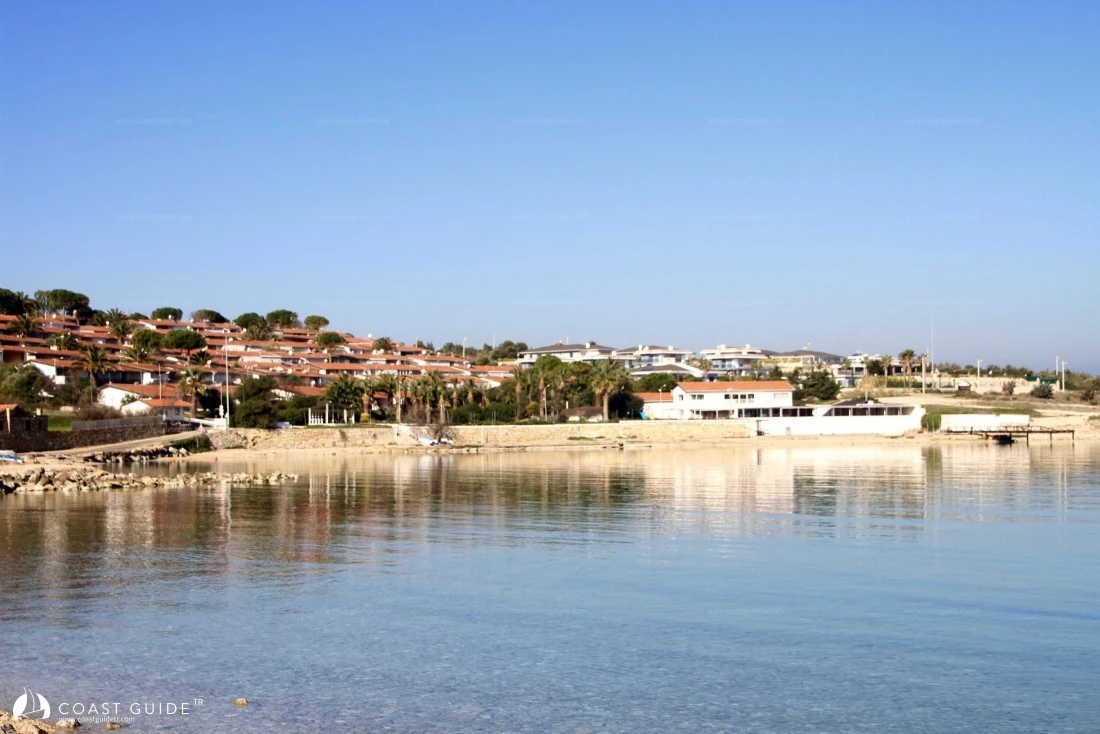
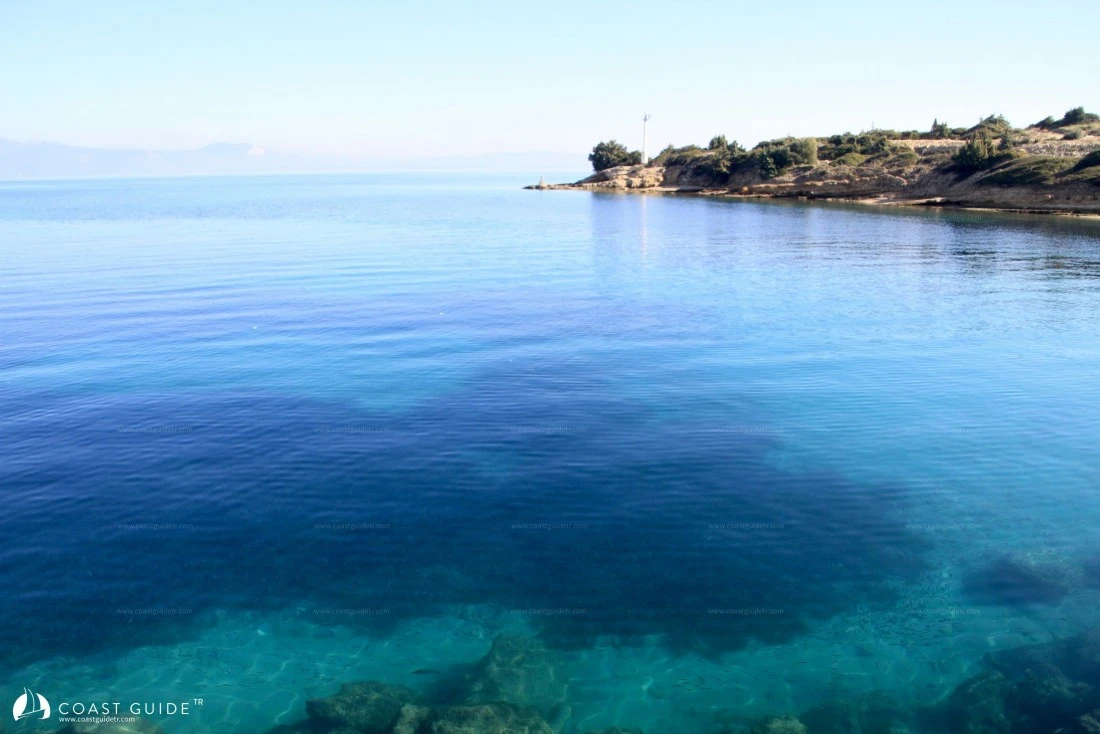
Sakızlıkoy, which overlooks this scenery and offers views of Chios Island in the open sea, has also received its share, albeit small, from the development. This time I'm visiting the residence of a sailor who has chosen this area for living.
He conducts his work and life from here. His office commands the seas.
One of those who escaped from Ankara. He enters yacht races, crosses to the Greek Islands with his motorcycle and goes on nature tours.
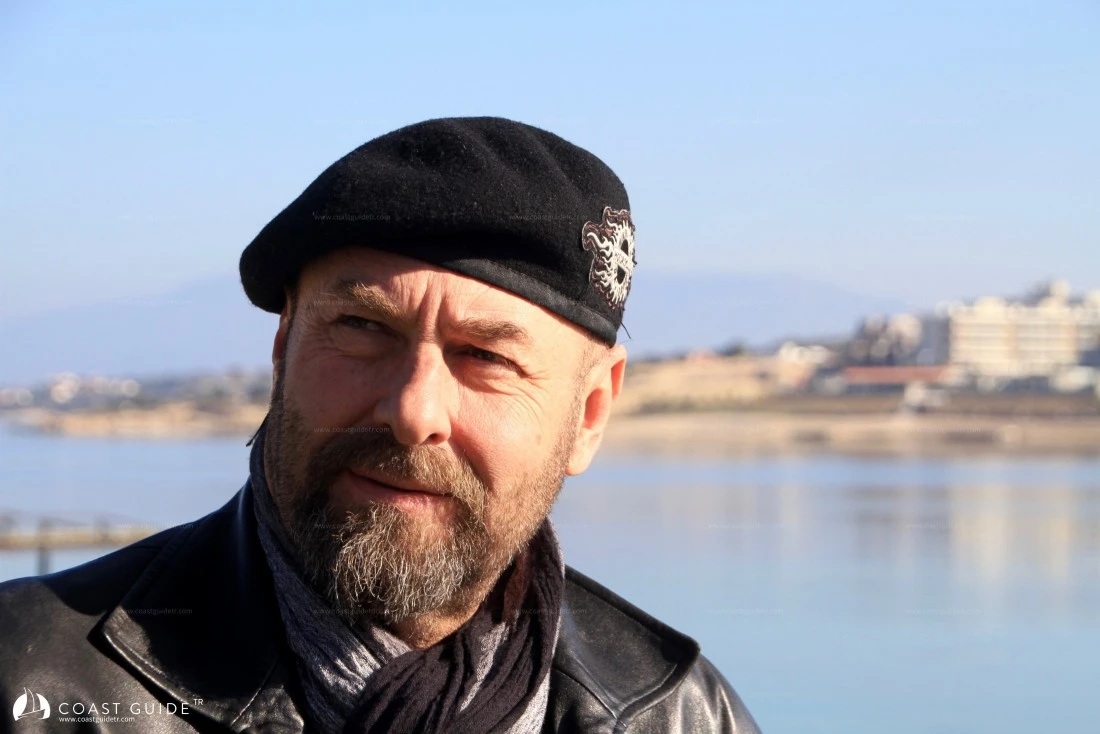
MELİH ÇENESİZ
"In 1975, thanks to the house our family bought in Sakızlıkoy, we came here from Ankara. We were summer residents for years.
Back then, Dalyanköy was a true coastal village in every sense. Fishing was at the forefront. People did fishing, most of them had boats.
Dalyanköy was a charming village with small coffeehouses. These were our socializing areas where we drank tea and ayran.p>
Over time, it evolved from a village into a neighborhood of Çeşme. As you can understand, nothing remains of its village status except the name.
In recent years, with big cities becoming unlivable, migrations to settle in places like this have begun.
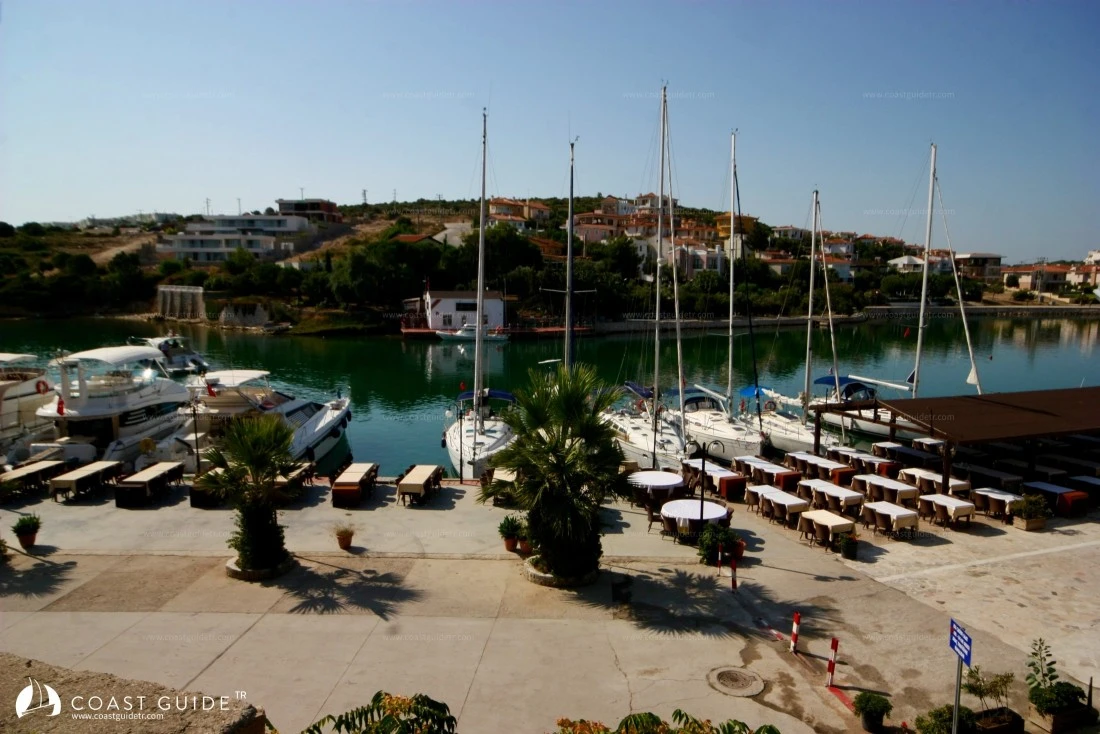
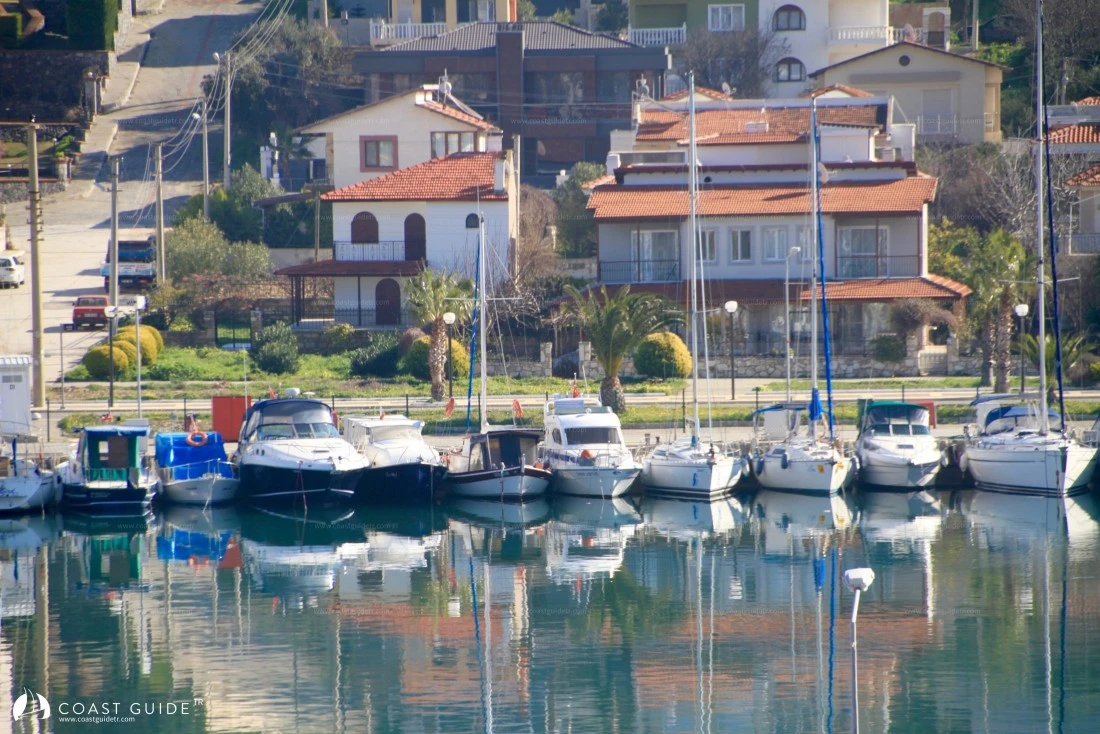
Now a crowded population lives here year-round. Restaurants, cafes, and luxury villas have now disrupted this village character. It has become a concrete pile.
Still, after October, when the weather gradually turns to winter and the rains begin, these places become where a more peaceful life is maintained.
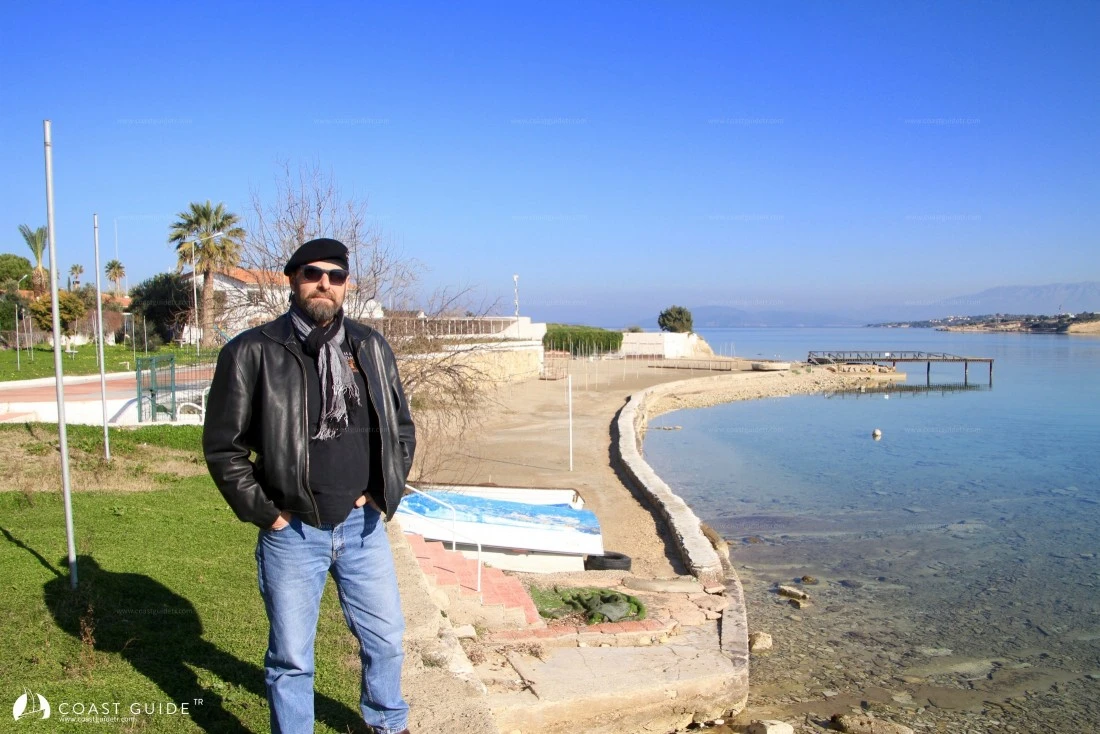
I have been a representative supplying materials to iron and steel factories for about twenty years. Since I have been working in a Home Office style for ten years, my permanent settlement here has not harmed my business.
Land, air, and sea transportation are available. Therefore, in terms of life and work, it is very beautiful for me. I love this place very much.
If people were respectful of nature and the environment, we would leave a better world for future generations.
Algae growth has started in the seabed structure in the waters here. I think this is also related to overcrowding. Still, with its wind, sea, and many amenities, I love Dalyanköy very much."
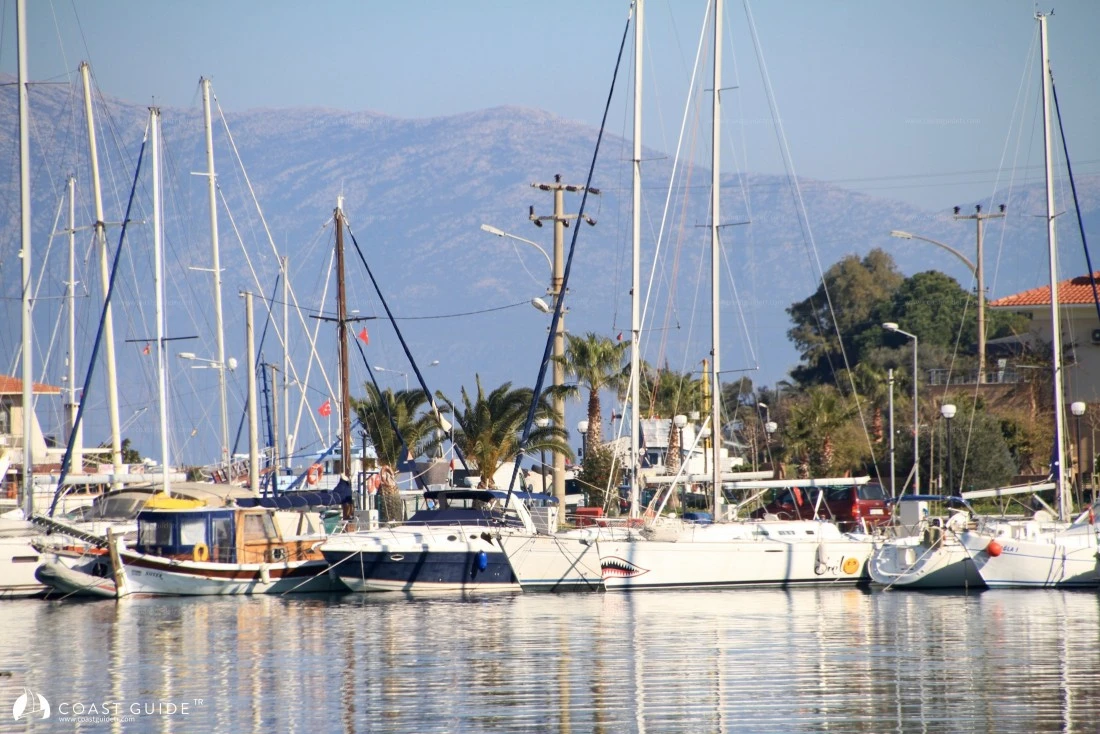
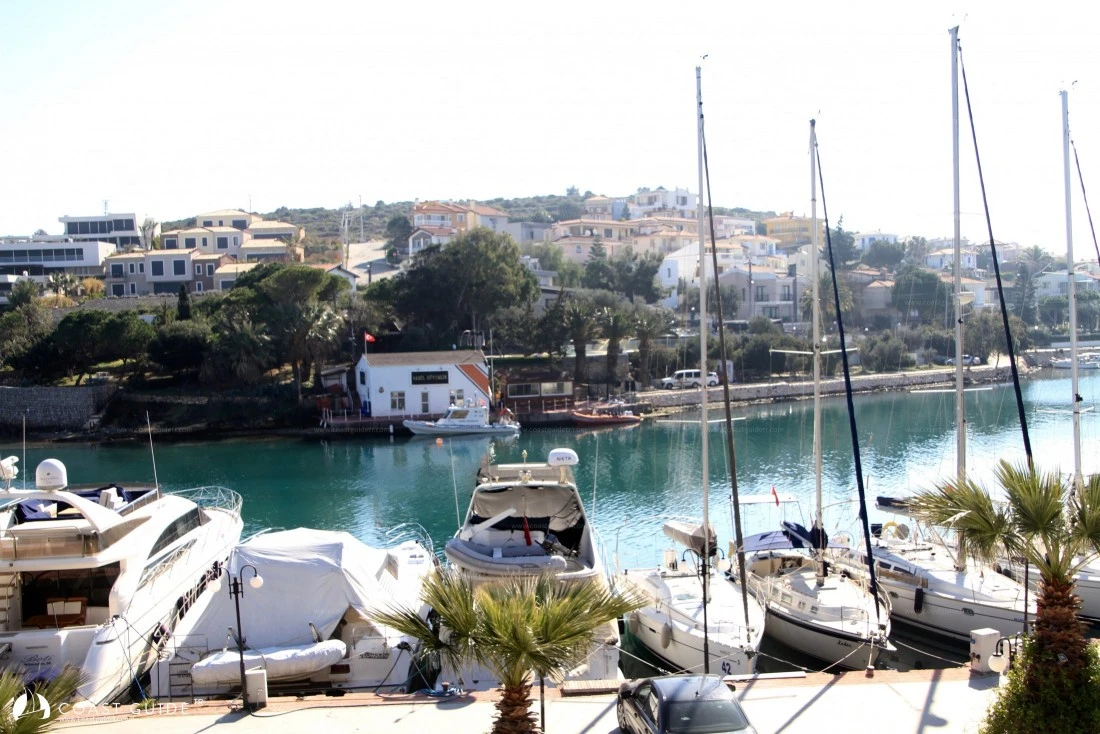
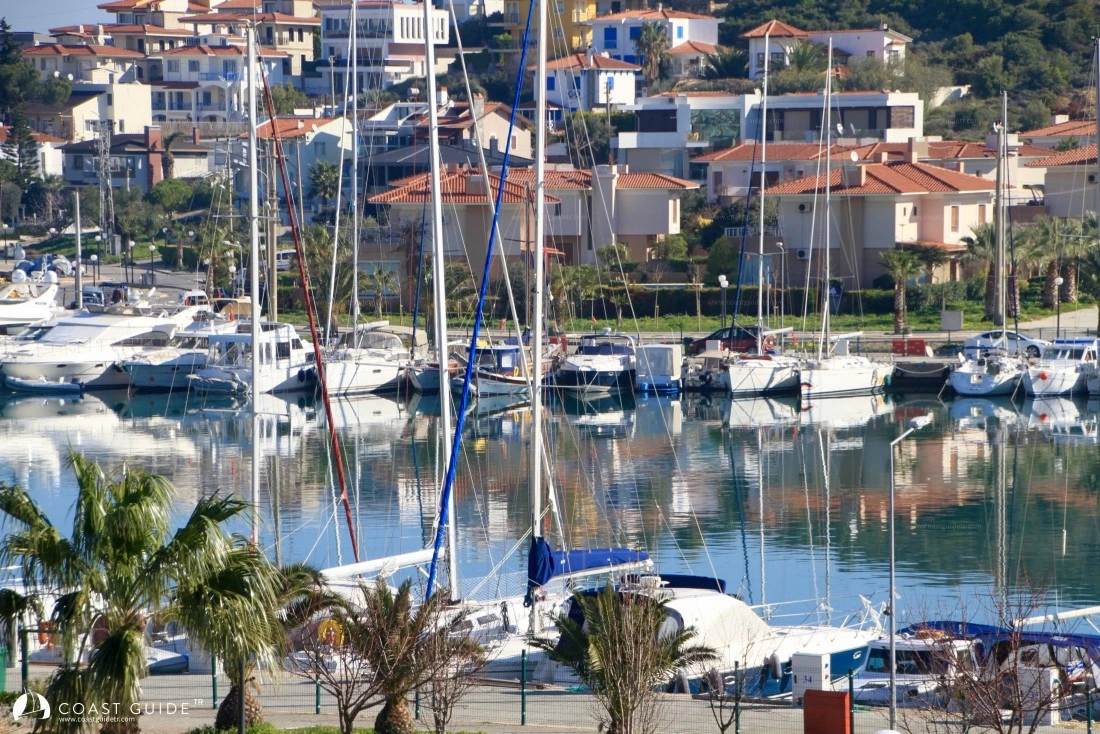
We also love it, so we're heading back to the dalyan side. The last section of the dalyan has been given to a private company for operation by Çeşme Municipality. Electricity and water connections are available. They can also provide haul-out services in mandatory situations.
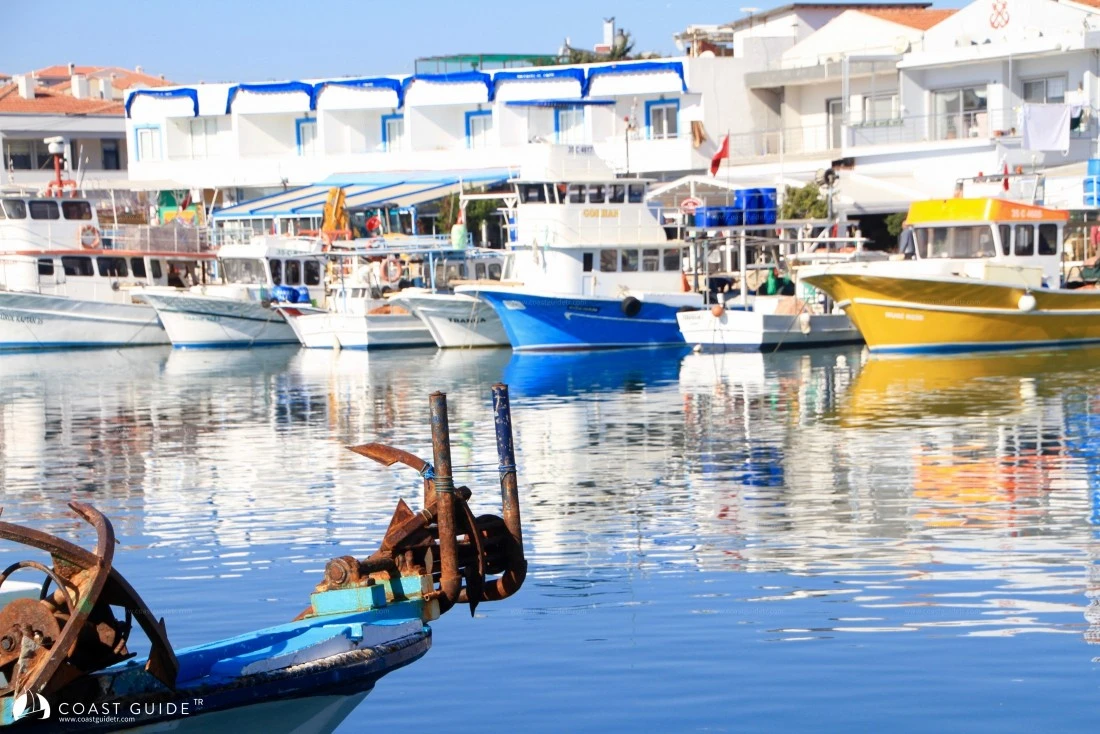
The back part of the dalyan is operated by the aquatic products cooperative and mostly fishing boats are moored there.
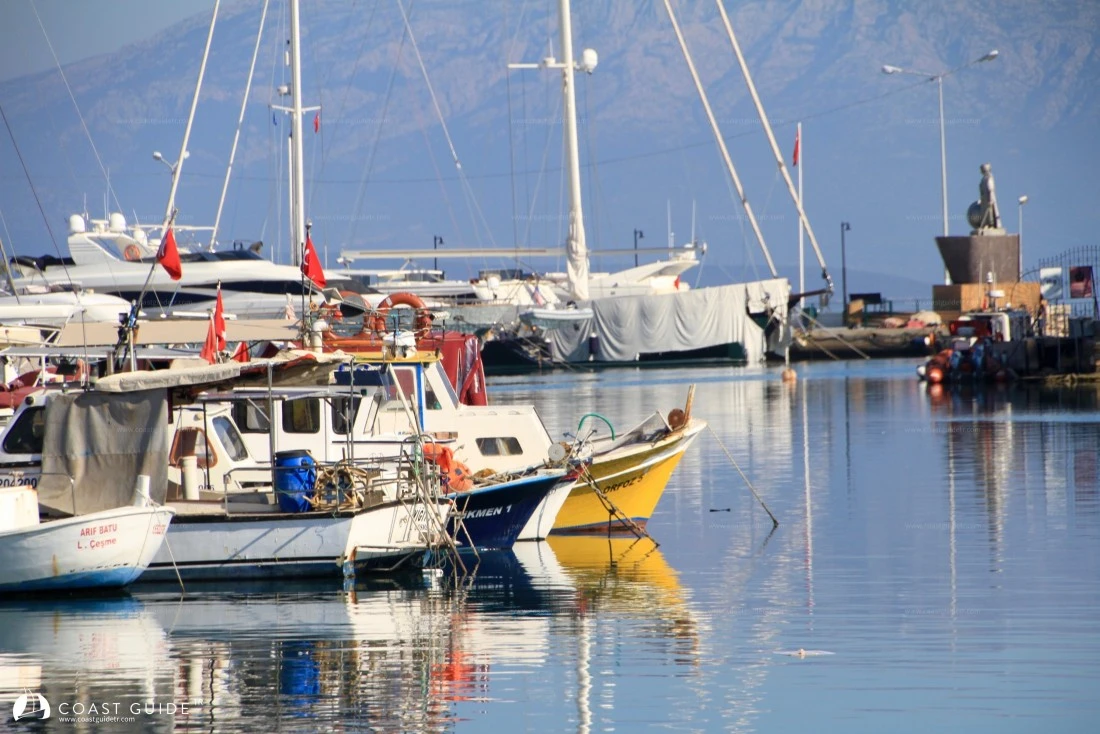
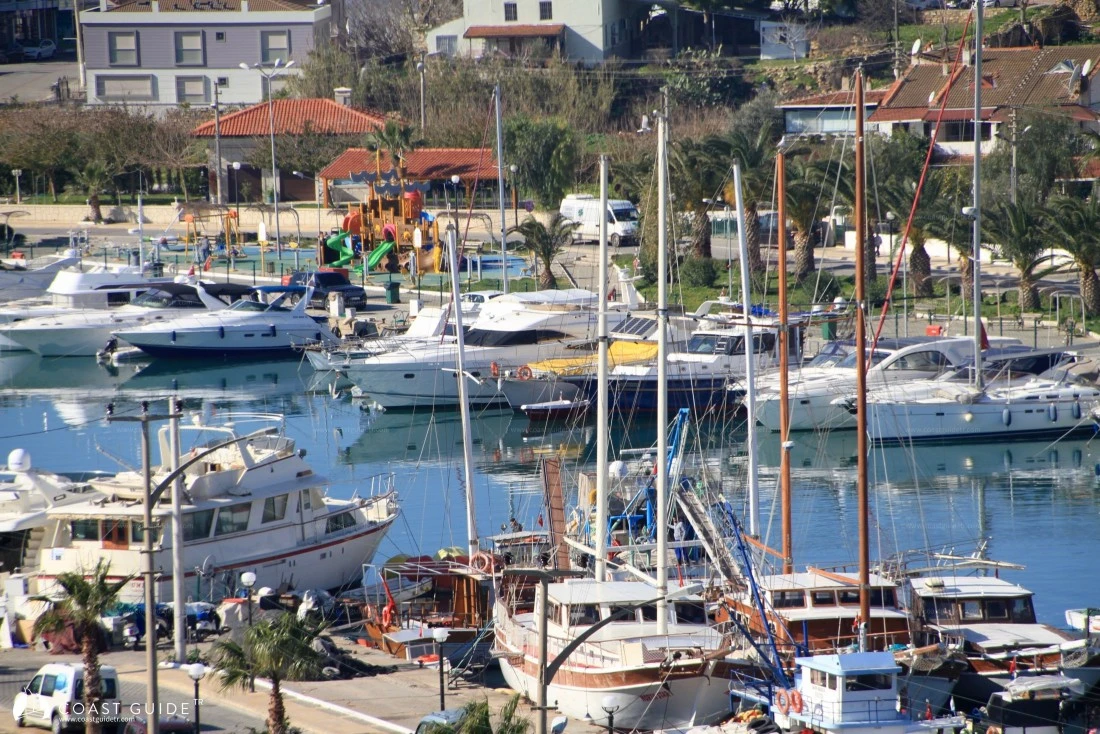
It's a very sheltered location. The Coast Guard has a station at the entrance. Large purse seiner vessels are moored to this quay. Their maintenance, repairs, provisioning, bottom painting, and deck maintenance are carried out here.
Right at their base, they're intermingled with complexes consisting of luxury villas.
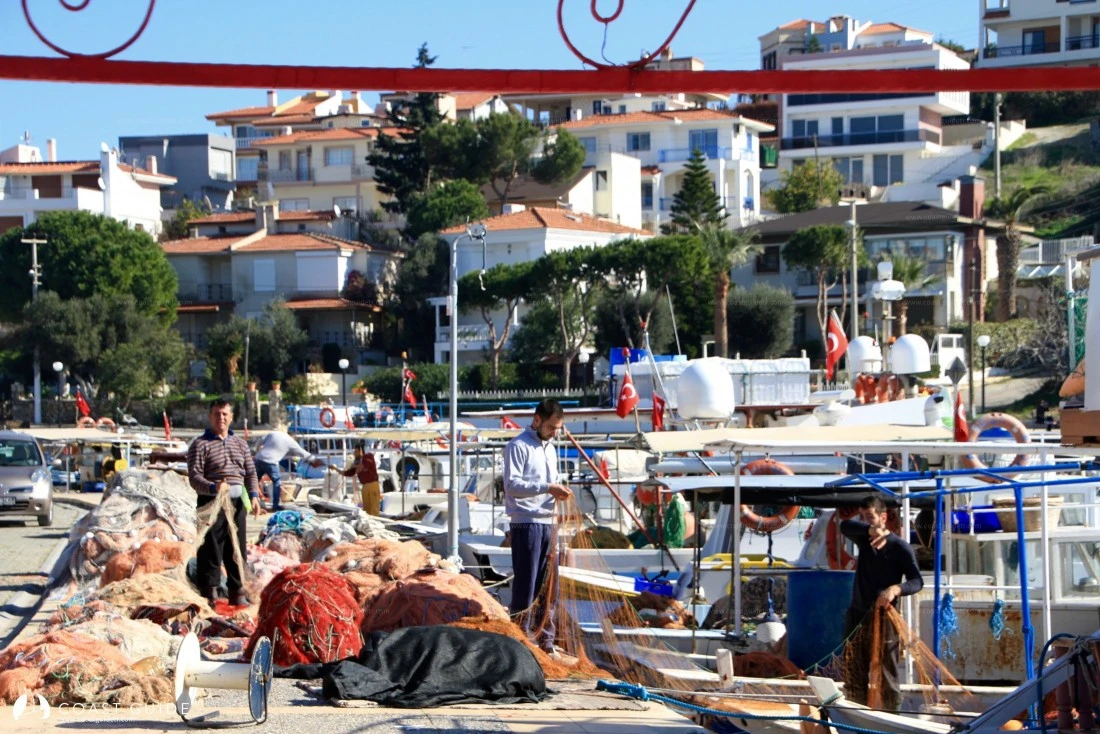
This time we're talking with Fikret Büyükçalışkan, who is repairing his nets and preparing for fishing.
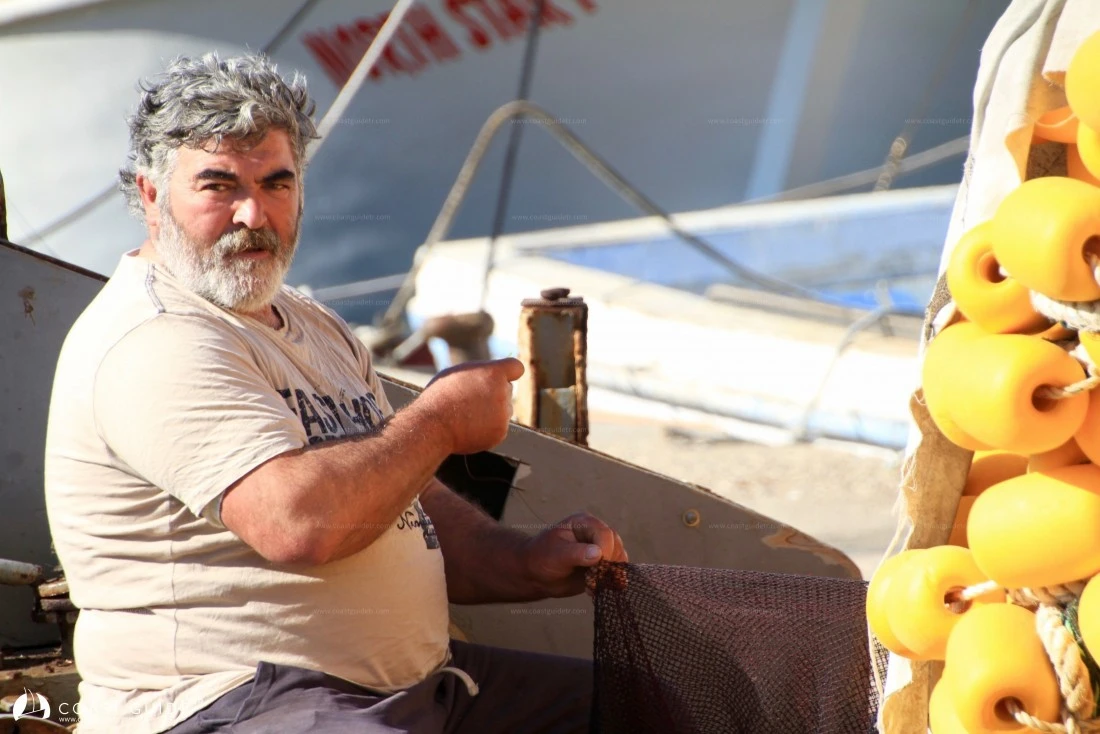
FİKRET BÜYÜKÇALIŞKAN
I was born in Ordu Fatsa in 1971. I've been fishing for 32 years.
For years I fished at every point along Turkey's coastlines.
For 7-8 years now, I've been fishing and living here.
There's a situation I've witnessed firsthand. Fish have decreased considerably in all our seas except the Aegean Sea.
But the situation in the Aegean isn't this bad, in fact it's even better in some areas.p>
In this regard, the Aegean people's conscious behavior in protecting their sea compared to our other coasts and their preservation of their seas is effective.
In my opinion, the abundance of fish farms in the Aegean Sea is also a factor.
The bottoms and surroundings of farm cages create areas where many fish can find shelter, feed, and grow. Fish are protected in these places.
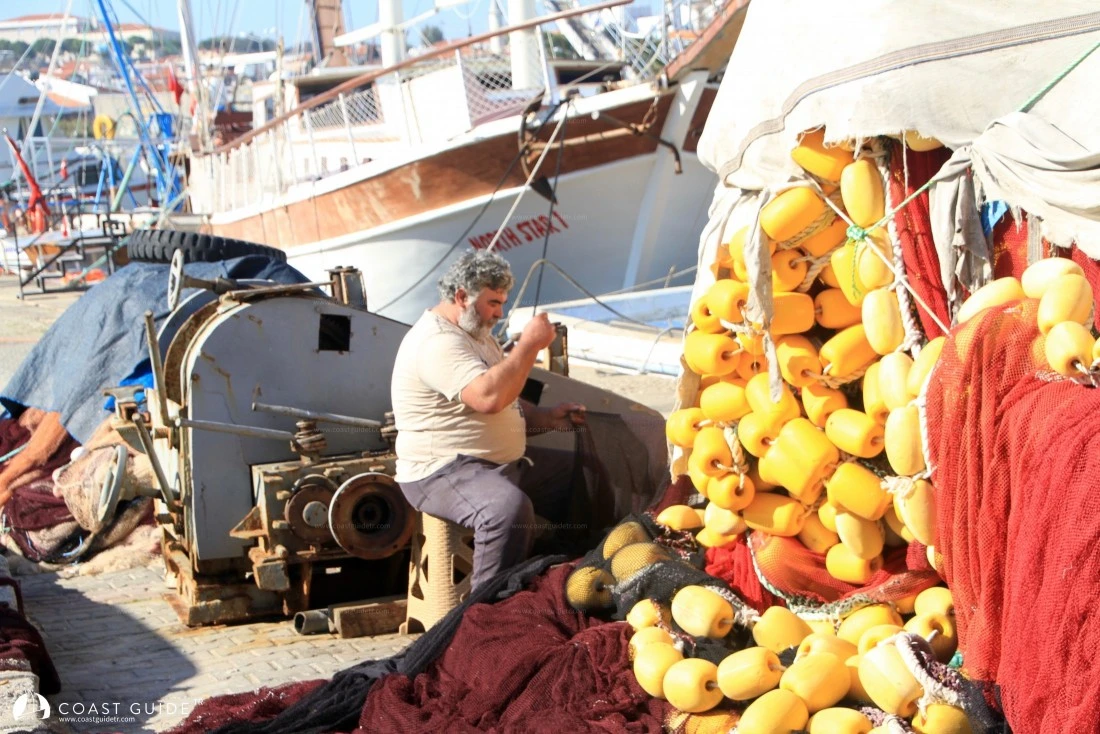
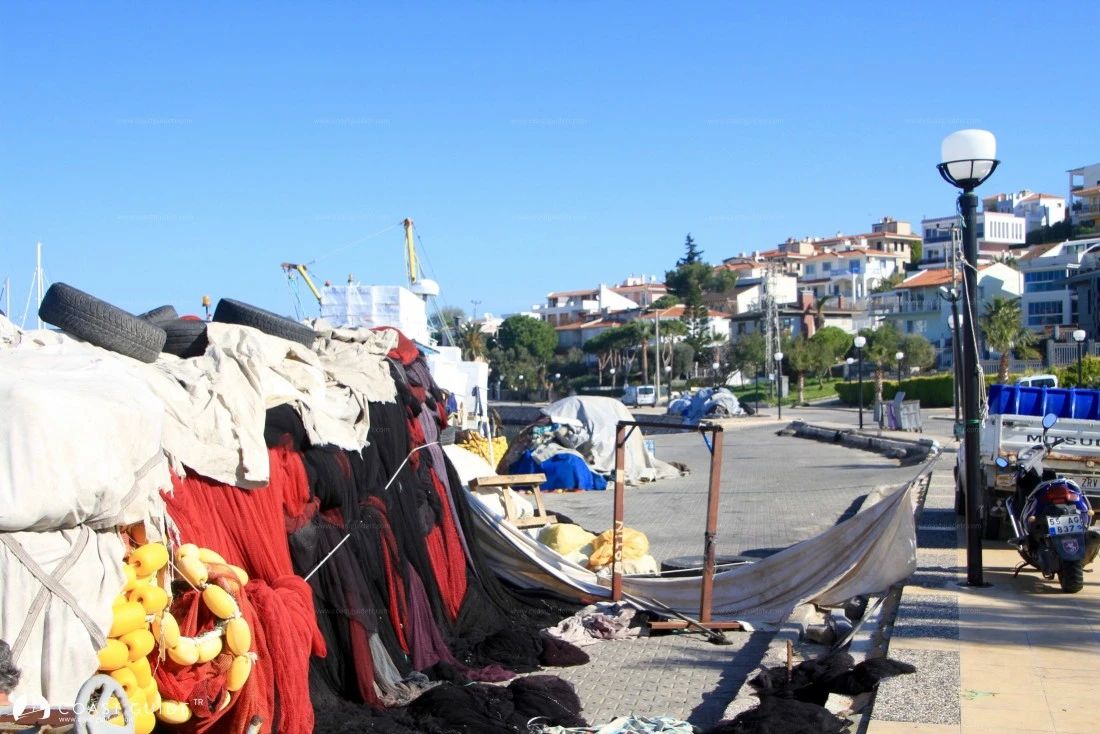
The waters off Dalyanköy are very rich in terms of fish. We find every species of fish in these seas. There are many channels, shallows, rocky areas, and plenty of fish.
We fishermen in the Aegean Region complain a lot about the lack of harbors. Apart from Güzelbahçe harbor, we don't have a good, well-organized place.
Here too, we're in an absurd situation. We're berthing right in the community. There are houses fifty meters, a hundred meters away from us. We do our maintenance, provisioning, and cleaning here, intermingled with the town. Boats are everywhere, but there's no designated area for us. This situation inevitably threatens the cleanliness of this place as well.
10-20 purse seiners enter inside. There are houses everywhere, our shouting and calling disturbs everyone. While there are many places to build a harbor, we can't be squeezed into these areas. Our fleet has grown. This many purse seiners won't fit here. We need space."
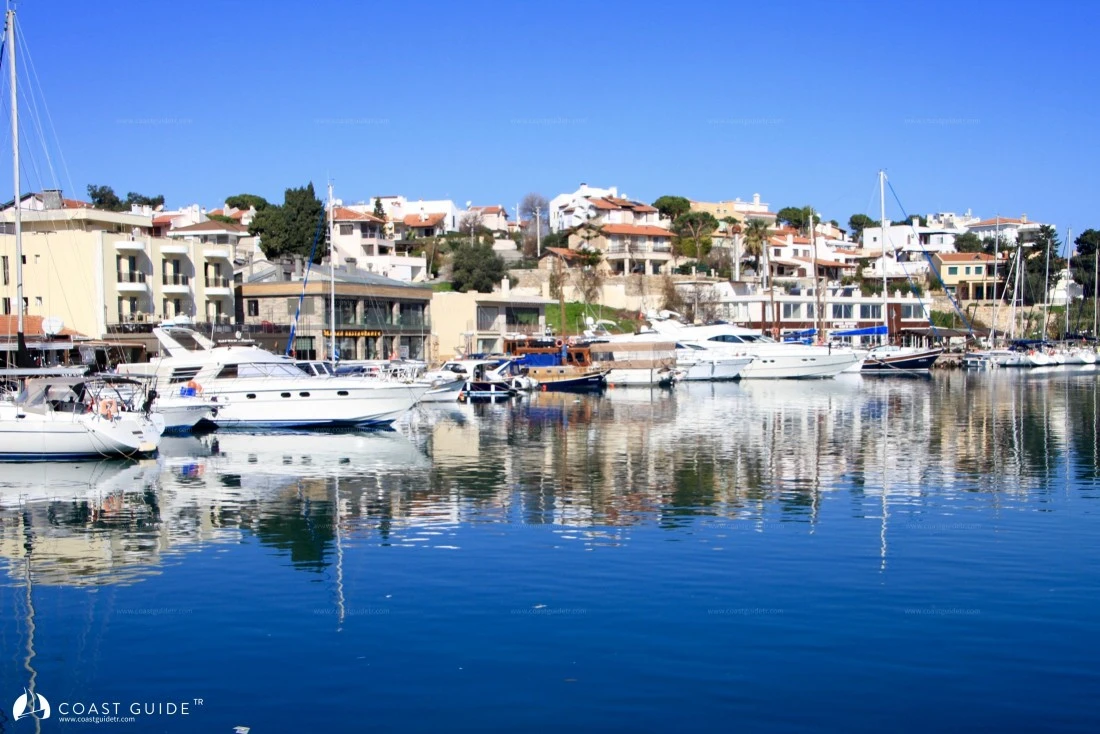
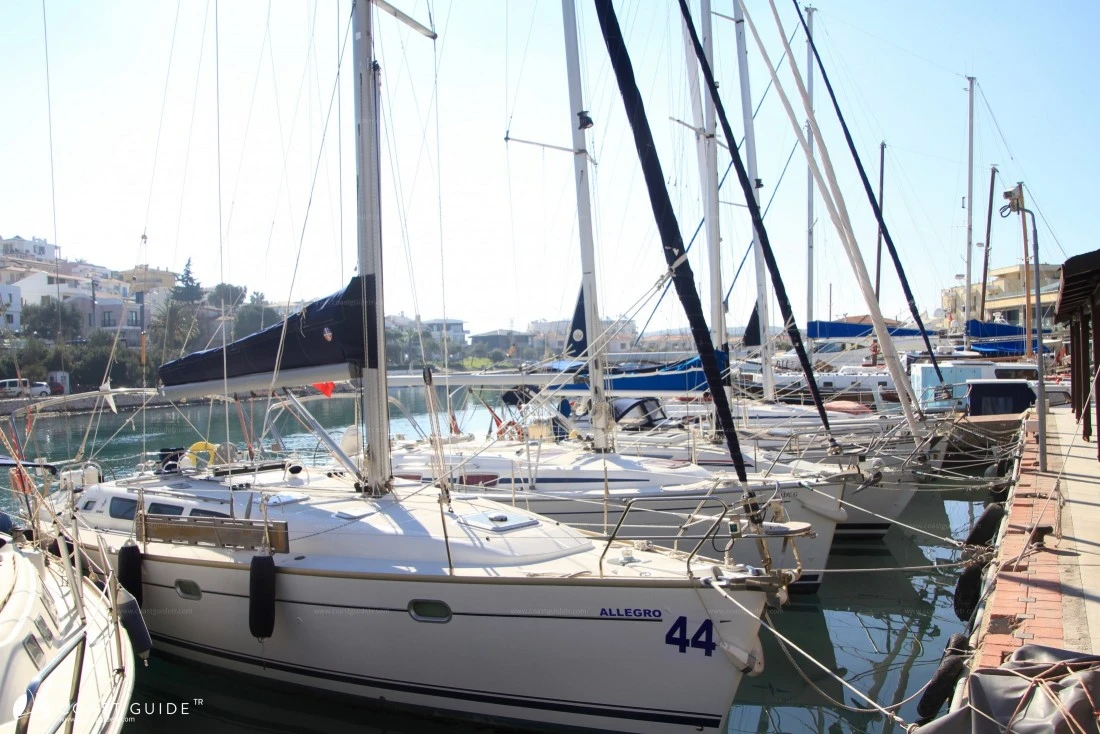
I conveyed exactly what they said, but I got stuck on something. So there's no other place for fish to hide, shelter, and grow except under the fish farms. All areas are scanned that thoroughly. We already knew this, but it's interesting to hear it expressed this way.
Restaurants are lined up in rows, with a bit of winter season's lethargy upon them. They're calm, resting for the busy days. Despite the sound of waves outside, we're talking with a local business owner in a place where not even a leaf stirs inside, about the past and present.
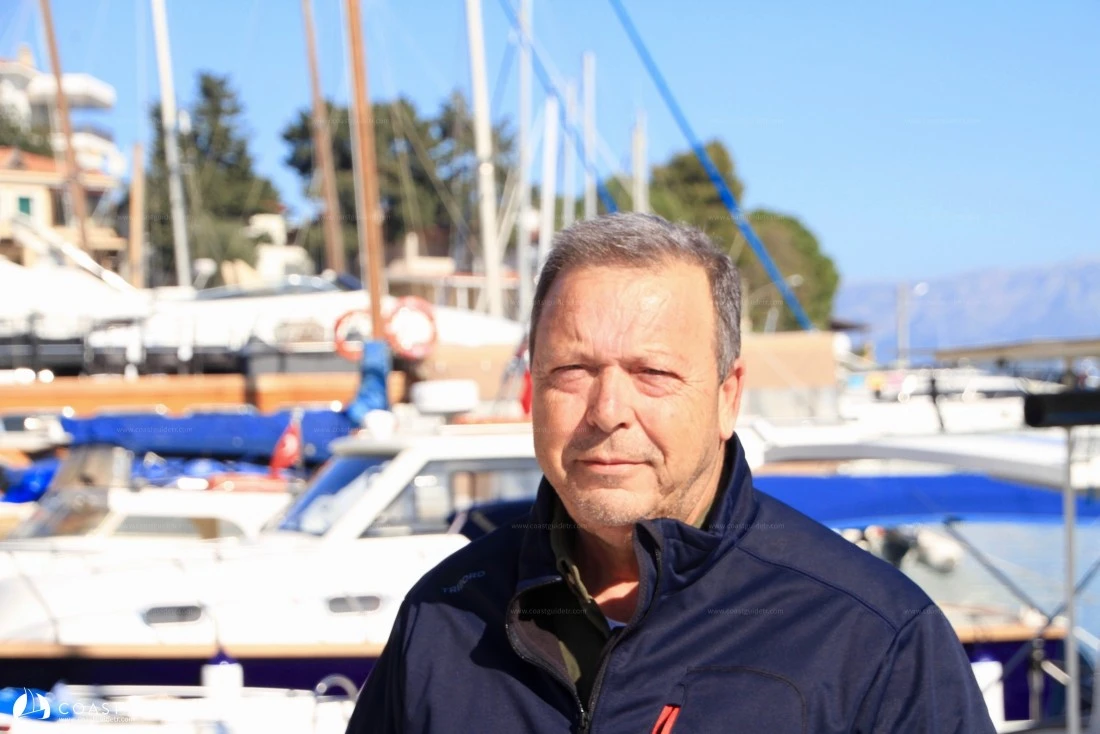
EMİN ALGAN
"Our forefathers migrated here from Rize in the Black Sea by taka (traditional boat). First they did fishing, then farming. They grew tobacco and anise. Then in 1965, they opened this place as a small café. It was one of the 3 coffeehouses in the Çeşme area.
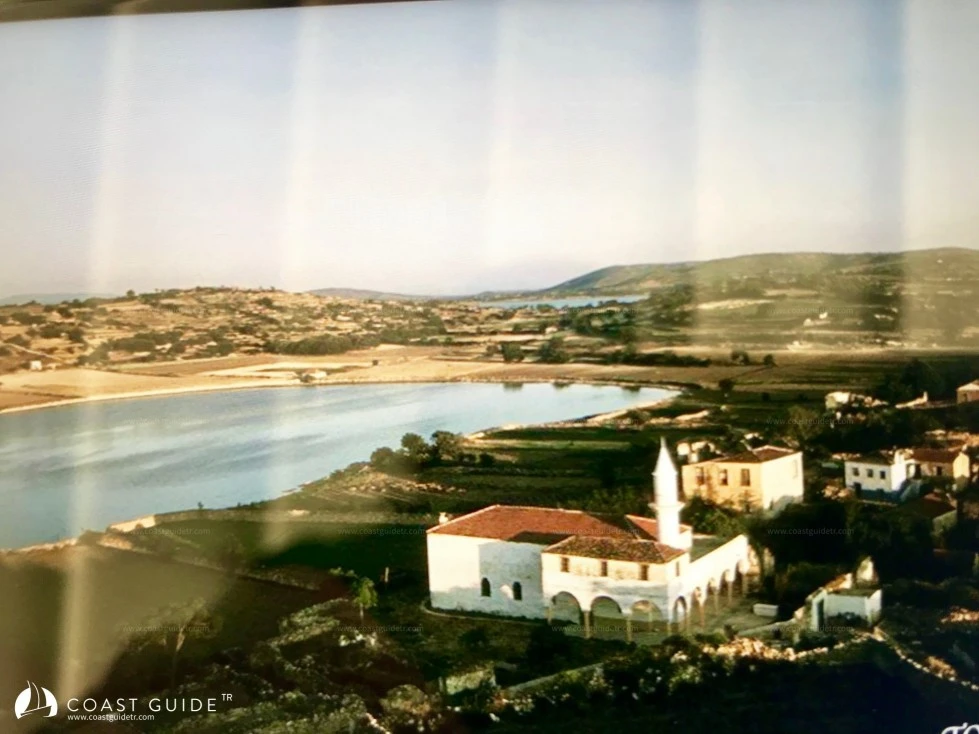
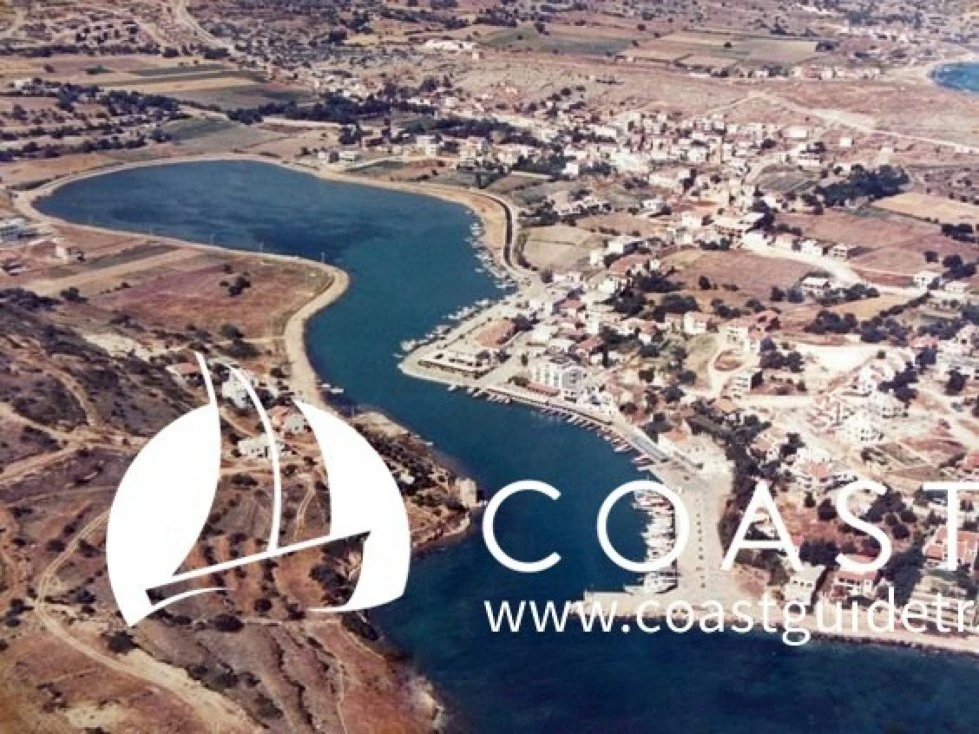
Afterwards, in 1981, my late brother and I decided to convert it into a fish restaurant and we did.
Back then, this was simply a village. In total, 70-80 households lived here. Our doors were open, there were no locks, we just had simple latches, that's all.
Now, there are cameras, alarms, shutters, dogs, all precautions, but no security.
This was an old dalyan (fish weir) left from the Greeks, a lagoon. Stakes would be cut, fish would enter, and when they spawned, they couldn't get out, they'd go into the traps.
After 1990, it was deepened and dredged. The quay is operated by Dalyan Fisheries Cooperative and the Municipality.
Over time, our settlements became extremely overcrowded. In the old years, parcels of 70 meters by 50 meters were allocated. Side by side, adjacent settlements were formed.
From now on, new areas to be opened for development will not be smaller than 1,000 square meters. This is good, but it came a bit after the damage was done.
There are no foreign tourists in our region. Our visitors are mainly domestic, especially people from İzmir and Istanbul. Many well-known figures, politicians, and bureaucrats have residences here."
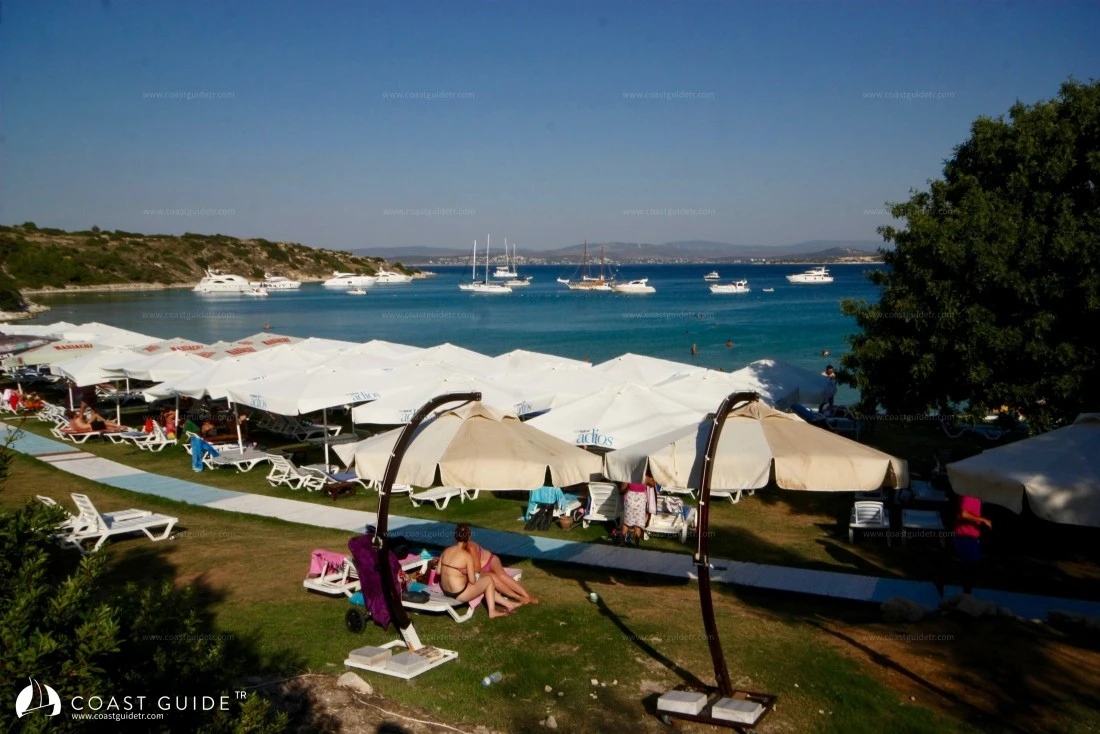
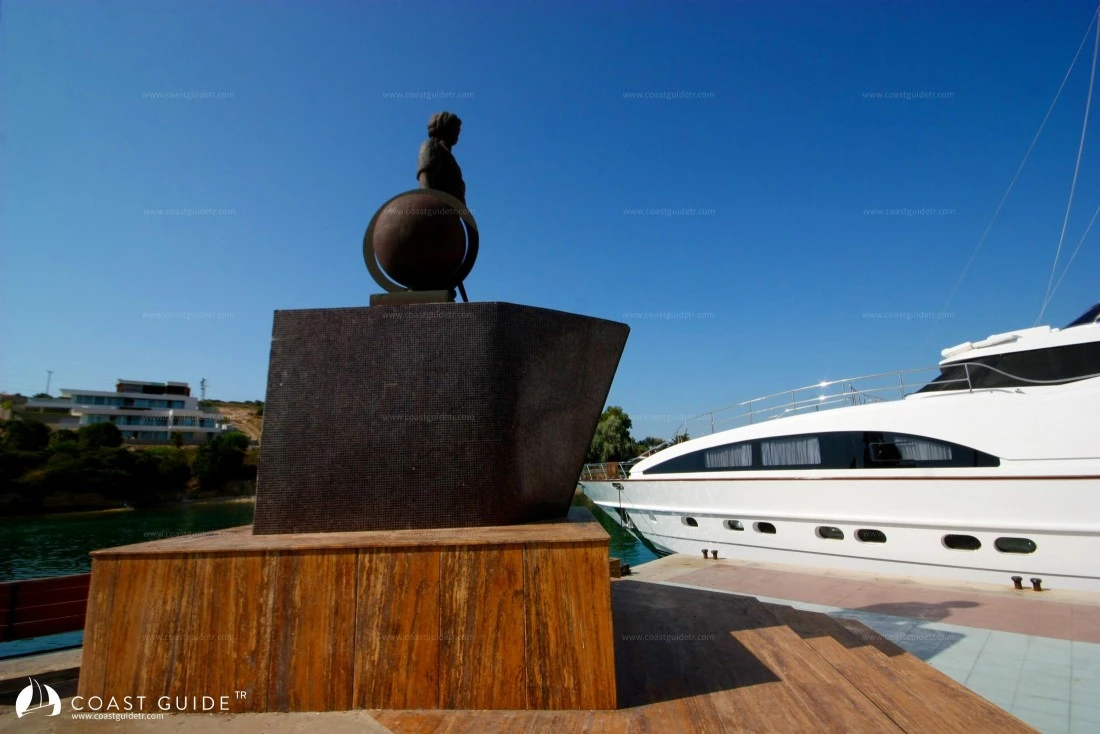
Yes, our eyes are searching for the French, the English, the Germans, the Italians, ordinary folks like us who could sit at modest restaurants.
The wooden tables, the casual service, the old days.
Are we getting old or what?
Stay healthy and well.